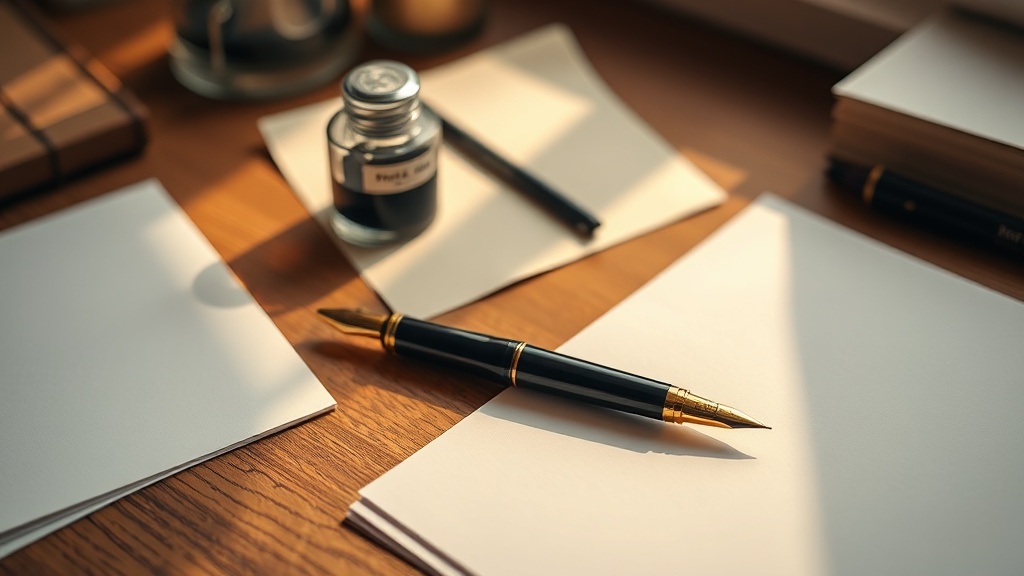
7 Essential Tools for Fountain Pen Maintenance

Soft Bristle Cleaning Brush
Ultrasonic Cleaner
Nib Tuner / Polishing Kit
Ink Separator / Syringe
Fine‑Tip Tweezers
Pen Cleaning Solution
Soft Microfiber Cloth
Ever pulled a pen from your desk only to find the ink sputtering or the nib scratching? It’s a frustrating reminder that even the finest pens need regular TLC. Over the years I’ve built a tuning bench in my Portland workshop, and I’ve learned that a solid set of tools can mean the difference between a pen that sings and one that grumbles.
Why a Dedicated Toolset Matters
Unlike a ballpoint, a fountain pen is a living instrument. Its nib, feed, and ink flow are all delicate parts that respond to wear, ink chemistry, and even the humidity of your studio. A proper toolkit lets you address issues before they become permanent, keeping your collection performing at its best and extending the life of vintage pieces you’ve lovingly restored.
7 Must‑Have Tools
- Soft Bristle Cleaning Brush – A gentle brush sweeps away dried ink and debris from the feed without damaging delicate metal. I keep a small tapered brush in my bench drawer and use it weekly on pens that sit in ink for extended periods. Example brush
- Ultrasonic Cleaner (Optional but Powerful) – For stubborn ink residues, especially in older pens with intricate feed channels, an ultrasonic cleaner works wonders. Fill the tank with distilled water, add a drop of mild dish soap, and let the high‑frequency waves vibrate the particles loose. I’ve rescued several Parker 51s thought hopeless after weeks of clogs. One I use
- Nib Tuner / Polishing Kit – Scratchy nibs are a common pain point for vintage enthusiasts. A Pilot Nib Tuner—or a DIY kit with fine‑grit sandpaper and a felt pad—lets you smooth rough tines while preserving the original character. In my "Scratchy Nib" rescue guide, I detail the exact angles I use; this tuner gives you the control to replicate that process safely.
- Ink Separator / Syringe – Keeping your ink pure is as important as cleaning the pen. An ink separator removes particles and excess dye that can clog feeds. Pair it with a 5 ml syringe to refill cartridges precisely, ensuring a consistent flow and preventing air bubbles that cause sputtering. See a good separator
- Fine‑Tip Tweezers – When reassembling a pen, especially one with tiny feed screws or a removable converter, you’ll need precision tweezers. Choose stainless steel with a fine tip to avoid scratching the barrel or nib. I keep a set of three—flat, pointed, and angled—to handle any scenario on the bench. Example set
- Pen Cleaning Solution – Distilled water works for most inks, but a dedicated pen cleaning solution can cut through stubborn pigments like blue‑black or copper‑based inks. Mix a few drops with water, soak the nib and feed for a minute, then rinse. This step is crucial before polishing a nib, as residual pigments can redeposit during the process. Recipe ideas
- Soft Microfiber Cloth – After cleaning, a lint‑free microfiber cloth is essential for drying and polishing the barrel and cap. It also doubles as a polishing cloth for lacquered finishes, giving you that showroom shine without abrasive scratches.
Putting It All Together: My Weekly Maintenance Routine
Here’s a quick rundown of how I use these tools in a typical session:
- Disassemble the pen and soak the nib/feed in a mild cleaning solution.
- Use the soft brush to scrub away loosened ink.
- Rinse with distilled water, then run a quick ultrasonic cycle if needed.
- Dry with the microfiber cloth and inspect the nib with a loupe.
- If the nib feels scratchy, employ the nib tuner with light, even strokes.
- Reassemble, add fresh ink using the separator and syringe, and give the pen a final wipe‑down.
Following this routine keeps my collection—from vintage Parker 51s to modern Lamy 2000s—writing effortlessly and preserves the tactile joy that first drew me to analog tools.
Related Reading
- How to Rescue a Scratchy Vintage Nib Without Erasing Its Character – detailed nib‑tuning techniques.
- The Maintenance Paradox: Why Your "No‑Buy Year" Requires You to Become a Technician – why regular upkeep matters.
- The Pen Show Pilgrim: What a Nib Tuner Actually Shops For (And Skips) – tool shopping guide.
FAQs
What is the best brush size for cleaning delicate feeds? A brush with a 2 mm head and soft bristles works well for most pens; it reaches into narrow channels without bending the feed.
Can I use household dish soap in the cleaning solution? Yes, but only a drop in a cup of distilled water. Strong detergents can strip lacquer finishes.
How often should I run an ultrasonic cleaning cycle? Once a month for daily‑use pens, and after any ink change that leaves residue.