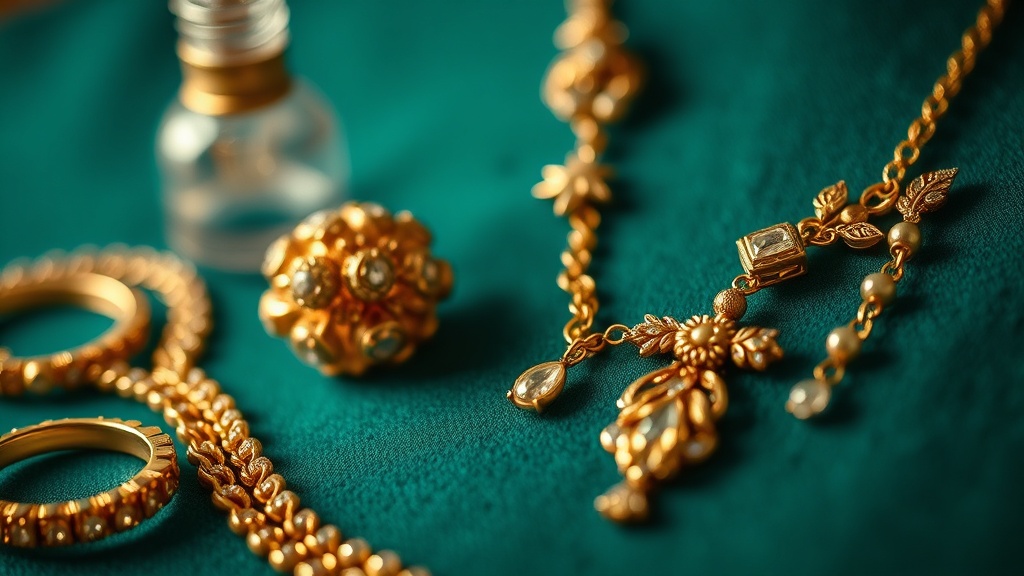
Maintaining the Luster of Vintage Gold-Plated Jewelry

The Invisible Wear of Gold Plating
A single micron of gold is thinner than a human hair, yet that tiny layer of metal is often all that stands between a beautiful heirloom and a dull, copper-colored piece of metal. When you purchase vintage gold-plated jewelry—whether it's a heavy 1970s chain or a delicate Art Deco brooch—you aren't just buying an aesthetic; you're buying a thin layer of protection that can be compromised by simple environmental factors. Understanding how to care for these items prevents the permanent loss of value that occurs when the base metal begins to oxidize through the plating.
Most people assume that if a piece is "gold-plated," it's basically as durable as solid gold. This is a misconception. Gold plating is a surface treatment, not a solid mass. Because the gold layer is so thin, even slight abrasions from improper cleaning can strip the finish away. If you've ever noticed a piece of jewelry turning a reddish or greenish hue, you've likely witnessed the plating wearing thin or the base metal reacting to moisture. Keeping these pieces in pristine condition requires a gentle hand and an understanding of material science.
How Do I Clean Vintage Gold-Plated Jewelry Safely?
The most common mistake collectors make is using harsh chemicals or abrasive cloths to make a piece shine. If you use a standard jewelry polishing cloth meant for solid gold or silver, you might actually scratch the gold layer right off. Instead, stick to the basics. A soft, lint-free microfiber cloth is your best friend here. For much more detailed information on metal chemistry and how different alloys react to light, you can check the resources at The Gemological Institute of America (GIA).
If the piece has visible grime, a very mild solution of lukewarm water and a tiny drop of pH-neutral soap is the safest route. Never dip a plated piece into a heavy-duty cleaning solution. Dip a soft-bristled brush (an old, soft toothbrush works well) into the soapy water, then gently—and I mean very gently—brush the surface. Avoid the temptation to scrub. The goal is to lift the debris, not to strip the metal. Once finished, pat the piece dry with a soft cloth immediately. Leaving any moisture on the piece can lead to accelerated oxidation of the underlying metal.
| Method | Recommended For | Warning |
|---|---|---|
| Microfiber Cloth | Daily dusting/light shine | Avoid rough textures |
| pH-Neutral Soap | Visible grime/oil buildup | No hot water |
| Distilled Water | Rinsing debris | Avoid tap water minerals |
Can I Use Ultrasonic Cleaners on Gold Plated Items?
The short answer is: almost certainly not. While ultrasonic cleaners are a staple in many modern jewelry shops, they are often too aggressive for vintage plated items. The high-frequency vibrations can cause the gold layer to flake or peel away from the base metal, especially if there are already microscopic cracks in the plating. This is a common way to accidentally ruin a high-value vintage find.
If you see a piece of jewelry that looks dull or has a "cloudy" appearance, it might not be the gold itself, but rather a buildup of skin oils and lotions. Before you reach for a machine, try a simple damp cloth. If the dullness persists, it's often a sign that the plating is actually wearing away. At this stage, no amount of cleaning will bring back the luster because the metal is physically gone. This is why preventative care—storing the piece in a dry, controlled environment—is so much more effective than reactive cleaning.
Why Is My Jewelry Turning Green?
This is the question that haunts many collectors. If your gold-plated jewelry is turning your skin green, it's usually not a reaction to your skin chemistry alone; it's a reaction between the base metal (often copper or brass) and your sweat or lotions. When the gold layer is breached, the base metal is exposed to oxygen and moisture, leading to oxidation. This is a sign that the plating is either very thin or has already worn through in certain spots.
To prevent this, you should treat your jewelry as a delicate tool. Avoid wearing plated pieces while applying perfume, hairspray, or lotion. These substances are highly acidic and can eat through a thin gold layer in a single afternoon. If you're a collector of vintage fashion, you know that the "scent-to-jewelry" rule is a rule for a reason. By keeping the chemicals away from the metal, you extend the life of the plating significantly.
What Is the Best Way to Store My Collection?
Storage is where most of the battle is won or lost. You wouldn't leave a precision fountain pen uncapped and sitting in the sun, so don't treat your jewelry that way either. Jewelry should be stored in a cool, dry place, away from direct sunlight. Sunlight can actually accelerate the degradation of certain vintage materials and can even affect the colors of gemstones or enamels often paired with gold plating.
- Individual Pouches: Store each piece in its own soft fabric pouch to prevent scratching from other jewelry.
- Avoid Humidity: Keep your collection in a climate-controlled room. If you live in a humid area, a silica gel packet in your jewelry box can be a lifesaver.
- No Tangle Zones: Don't throw everything into one bowl. The friction of pieces rubbing together is a primary cause of premature plating wear.
For those interested in the broader history of how jewelry and metalwork have evolved, the Metropolitan Museum of Art offers incredible digital archives that show the precision of historical craftsmanship. It's worth seeing how these pieces were originally intended to be treated. Whether you are a seasoned collector or just starting to build a vintage wardrobe, remember: precision in care leads to longevity in beauty. Treat the plating with the respect its thinness demands, and your pieces will retain their brilliance for decades to come.