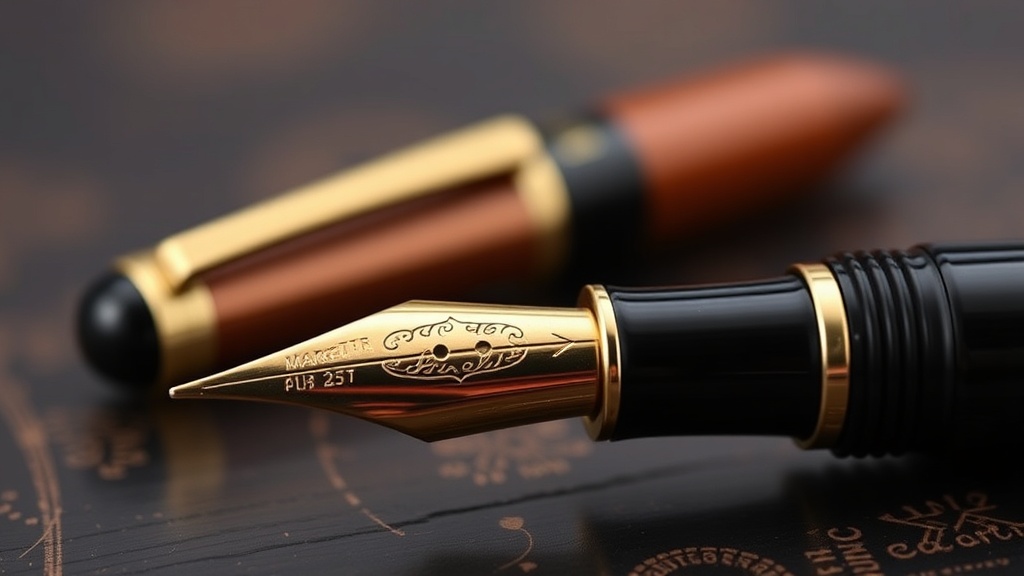
Restoring the Soul of Vintage Fountain Pens: A Deep Dive into Parker 51s and Ebonite Feeds

In the hand, a vintage Parker 51 carries the weight not of mere materials but of decades of inked history. Its ebonite feed, slightly porous and darkened with age, whispers the story of countless letters, diagrams, and sketches executed with meticulous care. Mind you, the act of restoration is less about cosmetic perfection and more about resurrecting the pen's mechanical and sensory integrity.
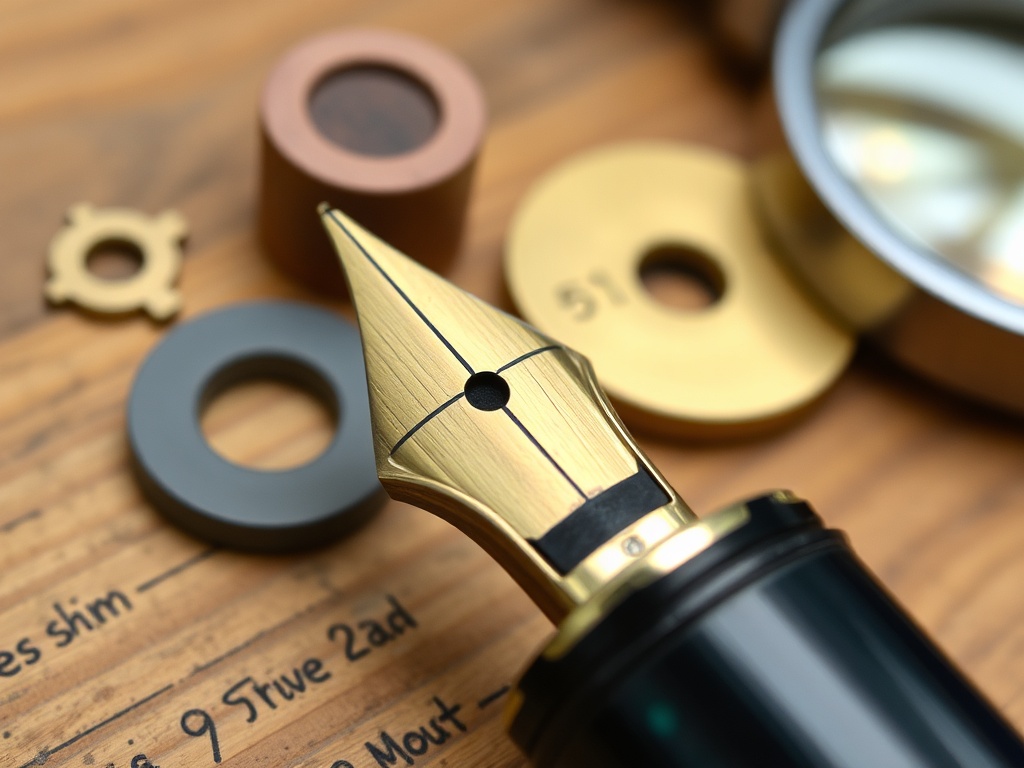
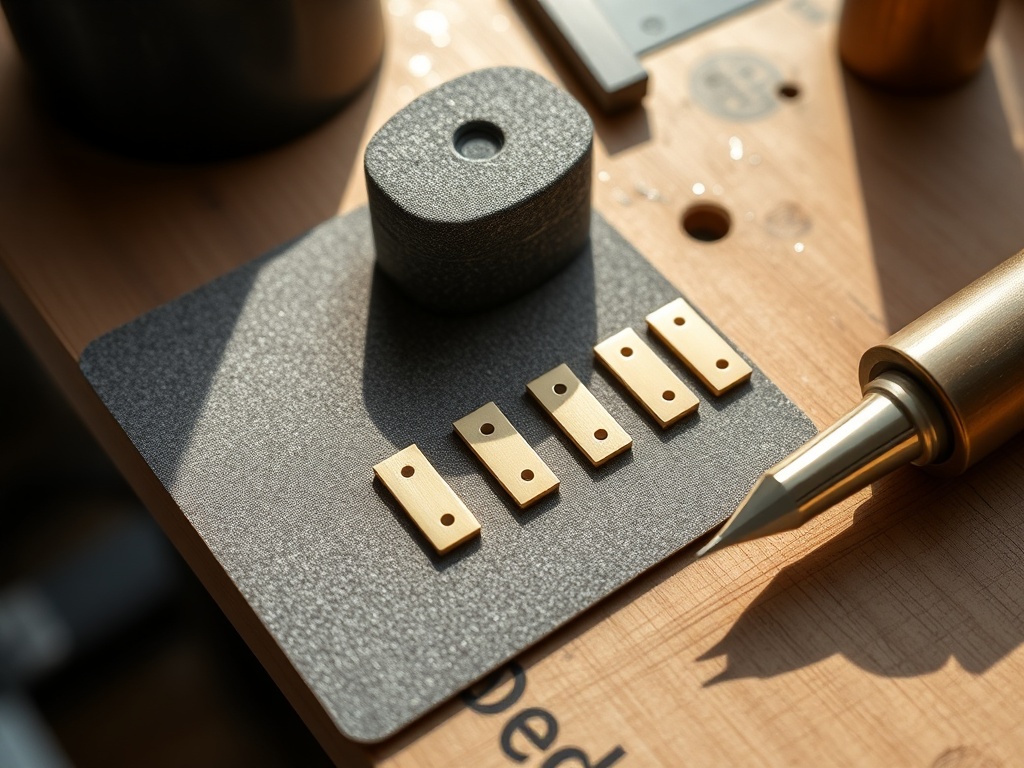
The ritual of the refill begins with gentle disassembly. Each component—barrel, cap, nib, and feed—is methodically inspected. I start with the nib, examining the tines under a loupe. Scratches, baby’s bottom, and slight misalignments are addressed using micro-mesh and brass shims. It's an intimate dialogue between metal and hand, where each gentle adjustment nudges the nib closer to optimal feedback and line consistency.
Next comes the ebonite feed. Mind you, ebonite isn’t merely a conduit for ink; it breathes. Aging requires careful cleaning with ammonia-free solutions, ensuring the capillary channels remain unobstructed. This subtlety preserves the ink's flow characteristics, allowing for that generous flow without railroading or feathering on mid-century Tomoe River sheets.
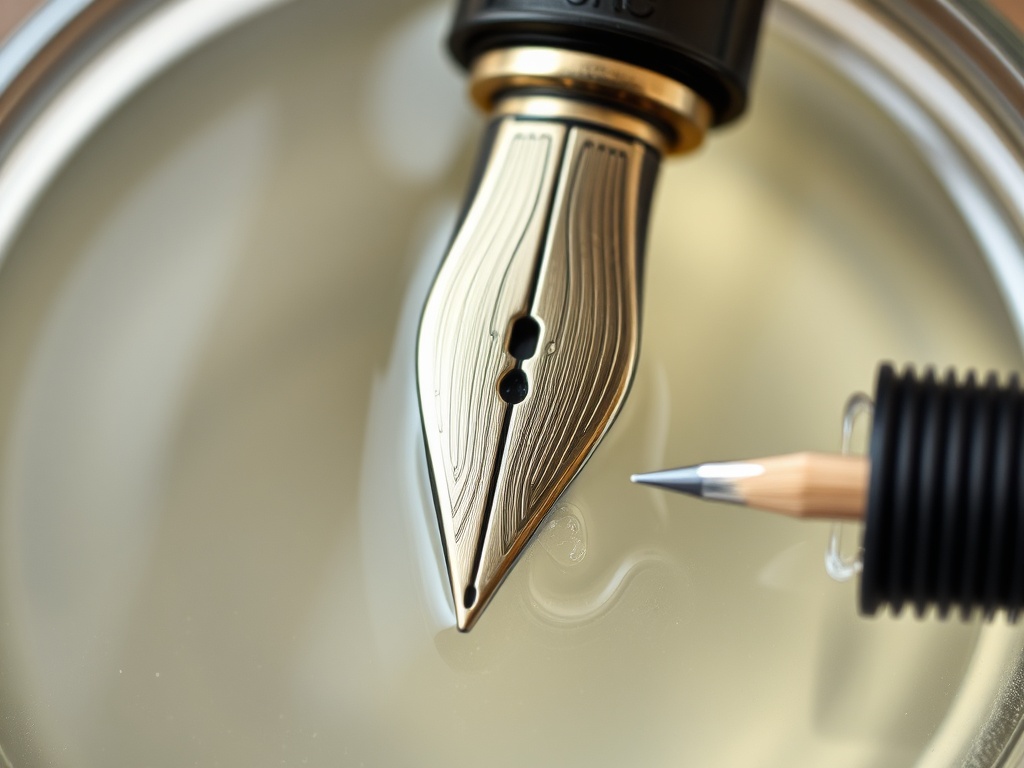
Once mechanical integrity is confirmed, the synergy between pen, ink, and paper is explored. I favor Iroshizuku Shin-kai for its depth and lubrication, testing across several weights of Tomoe River. Each stroke, each subtle variation in pressure, is a sensory exploration: pencil-like feedback, tactile tooth of the paper, and the auditory scritch-scratch that informs every writer of their medium’s responsiveness.
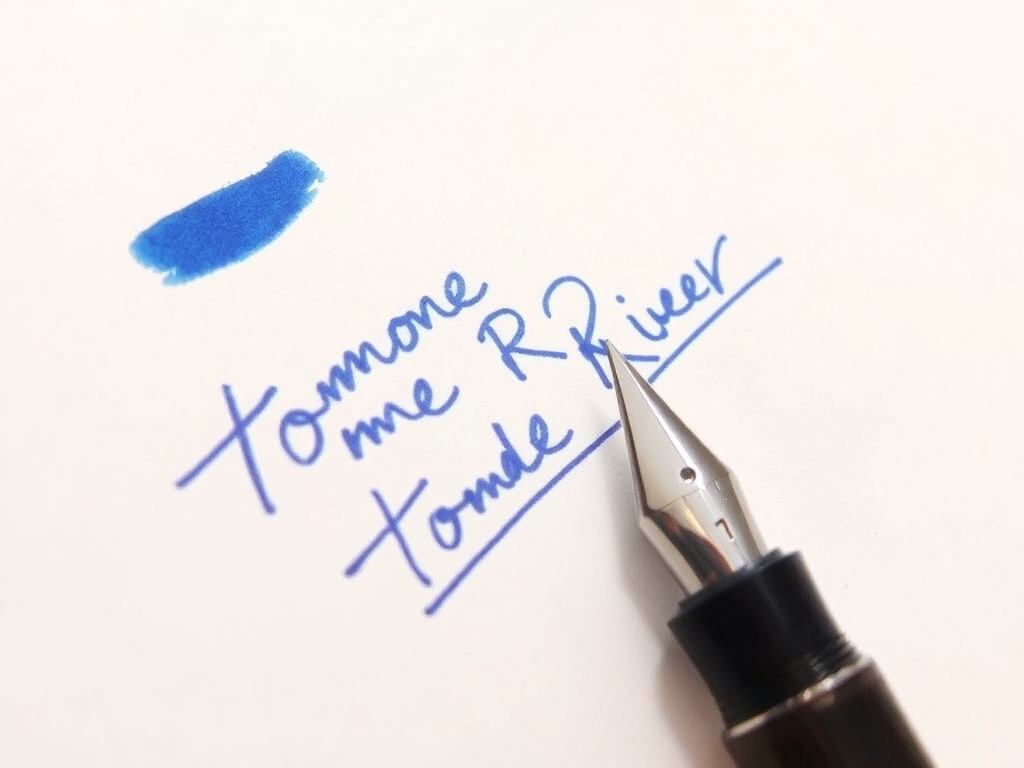
Restoration extends beyond the technical; it is philosophical. Every scratch in the barrel, every patina on the clip, tells a narrative of prior ownership. To polish aggressively is to erase history. To repair with fidelity is to respect it. This is why I rarely replace original components unless failure is imminent. The pen's soul resides in these nuanced imperfections.
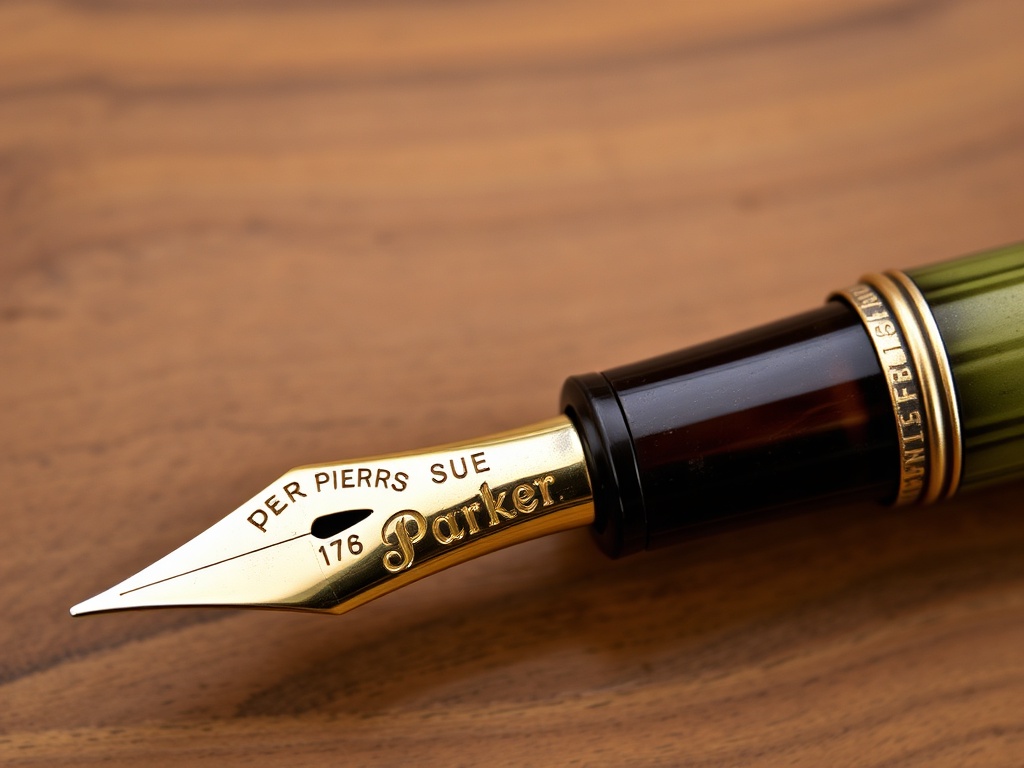
The final inking session is both proof and meditation. The pen glides across the page, offering variable line widths, subtle shading, and just enough feedback to maintain an intimate connection between hand and instrument. Observing these qualities confirms the restoration's success and reaffirms the philosophy that analog writing is not merely transcription—it is reflection, intentionality, and artistry converging.
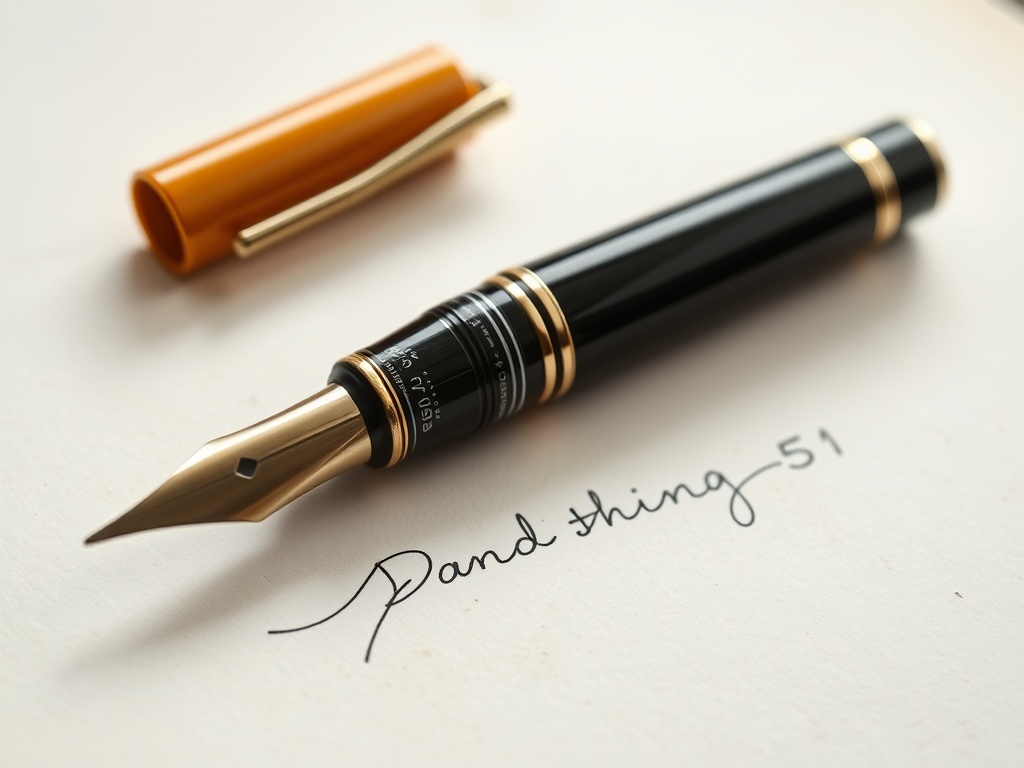
Current Inking:
- Pen: Parker 51 (Restored, Fine Nib)
- Ink: Iroshizuku Shin-kai
- Paper: Tomoe River 52gsm (Old Stock)