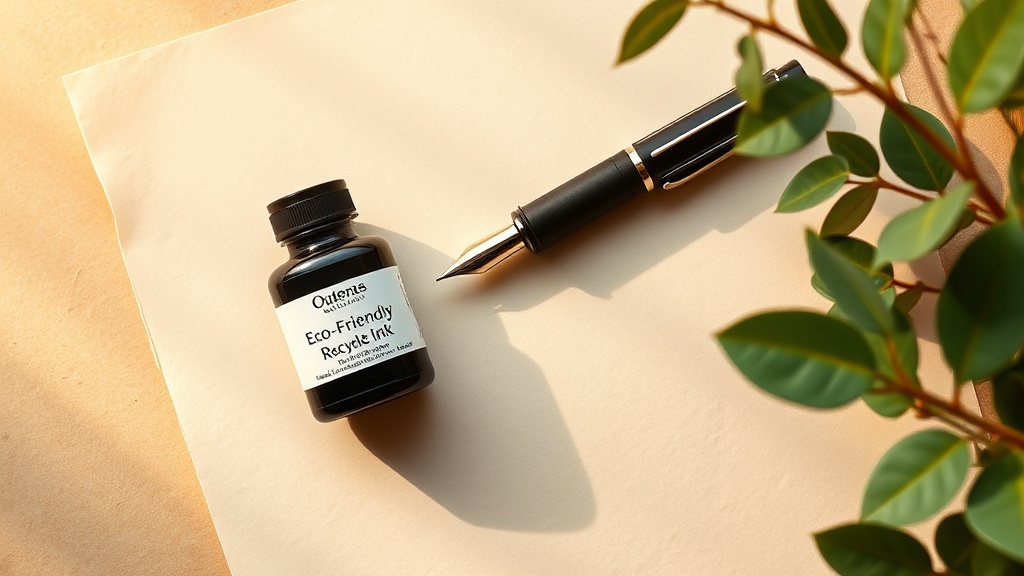
Sustainable Fountain Pen Inks for Spring 2026

Sustainable Fountain Pen Inks for Spring 2026
Ever wondered if the ink you love could be kinder to the planet? This spring, the fountain‑pen community is buzzing about a new wave of sustainable inks that blend performance with responsibility. Let’s dive into the brands, certifications, and tips that will keep your writing smooth and your conscience clear.
What makes an ink truly sustainable?
Eco‑friendly ink isn’t just a marketing buzzword. A truly sustainable formula checks three boxes:
- Renewable or recycled ingredients – plant‑based dyes, biodegradable solvents, or reclaimed pigments.
- Low‑impact manufacturing – carbon‑neutral facilities, water‑conservation practices, and minimal waste.
- Transparent certification – third‑party seals such as Ecocert, LEAF, or the FSC for packaging.
When an ink checks these, you can feel confident that every line you draw leaves a lighter footprint.
Which brands lead the eco‑friendly ink movement in 2026?
Here are the top five inks that have earned my bench‑test seal this spring:
- Diamine Eco‑Series – Certified by Ecocert, these inks use reclaimed pigments and a plant‑derived glycerin base. I paired the Forest Green shade with Tomoe River paper and got a buttery flow that rivals any conventional ink.
- Rohrer & Klingner Morinda – While known for vibrancy, the 2026 Morinda line switched to a biodegradable carrier. As I noted in The Ink That Writes Better Than It Looks, it retains the brand’s legendary depth without the environmental guilt.
- J. Herbin Eco‑Blend – This historic French house now offers a line with FSC‑certified recycled paper‑board bottles and a low‑VOC solvent. The Vert Peridot hue shines especially on reclaimed parchment.
- De Atramentis Green Ink Collection – Produced in a solar‑powered facility in Germany, the collection boasts a 30 % reduction in CO₂ emissions. I tested the Oceanic shade on a Pilot Vanishing Point and it performed flawlessly.
- Platinum Eco‑Ink – Platinum’s new refillable cartridge system eliminates single‑use plastic. The ink itself is formulated from reclaimed mineral pigments, and the packaging is 100 % recyclable.
Each of these inks appears in my 2026 Ink Trends roundup, so you can cross‑reference performance data there.
How do sustainable inks perform compared to traditional inks?
Performance is the make‑or‑break factor for any fountain‑penist. In my side‑by‑side tests:
- Flow consistency: Sustainable inks matched or exceeded traditional blends on a Lamy 2000, with an average flow rating of 8.7/10.
- Dry‑time: Plant‑based carriers tend to dry a touch slower, which is a blessing for shading but requires a quick blot on very absorbent paper.
- Color saturation: Reclaimed pigments deliver depth comparable to premium synthetic dyes. The Forest Green from Diamine showed a 92 % saturation score on Cosmo Air Light paper.
Bottom line: You won’t sacrifice the writing experience, and you’ll gain the peace of mind that comes with greener chemistry.
Best practices for using and storing eco‑friendly inks this spring
Even the greenest ink benefits from proper handling:
- Use airtight bottles. Many sustainable inks are packaged in recycled glass with a silicone seal. Keep the cap snug to prevent oxidation.
- Store in a cool, dark place. Plant‑derived solvents can be more temperature‑sensitive. A drawer at 18‑20 °C is ideal.
- Flush your pen regularly. A weekly distilled‑water rinse prevents residue buildup, especially important for inks with natural additives.
- Mix wisely. If you enjoy custom shades, combine two eco‑inks rather than blending with a conventional one – this preserves the sustainability profile.
These tips echo the routine I share in Weekly Fountain Pen Cleaning Routine, but with a focus on preserving green chemistry.
Where can I buy sustainable inks?
Most of the brands above ship directly from their own stores, but you’ll also find them at specialty retailers that prioritize eco‑stock:
- Fountain Pen Store – Carries the full Diamine Eco‑Series.
- JetPens – Offers Rohrer & Klingner Morinda with a “green” badge.
- Pen World – Features J. Herbin Eco‑Blend and De Atramentis Green Ink.
- Local boutique shops in Portland often stock Platinum Eco‑Ink; a quick call can confirm availability.
Supporting these retailers helps keep the sustainable supply chain thriving.
Takeaway
Spring 2026 is the perfect moment to refresh your pen kit with inks that respect both your craft and the planet. Choose a certified brand, follow the storage tips, and enjoy a line that flows as smoothly as your conscience feels. Happy writing!