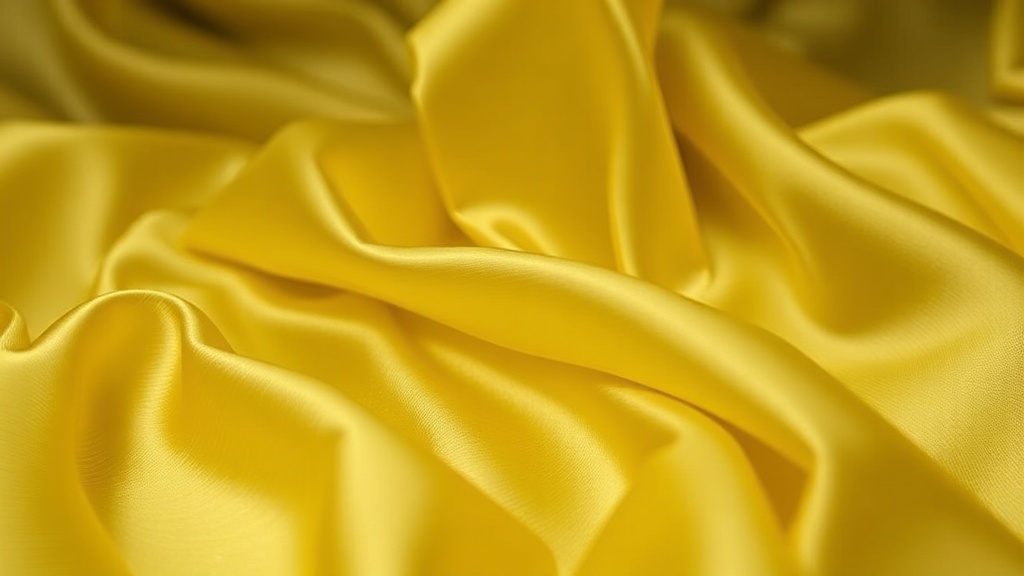
The Art of Preserving Vintage Silk: A Guide to Textile Care

In my previous life as an architectural draftsperson, I lived by the precision of the line. A single millimeter of deviation could compromise the structural integrity of a blueprint. When I transitioned from drafting to the meticulous world of fountain pen restoration, I carried that same reverence for structural integrity with me. Whether I am adjusting the tines of a 1940s Waterman or examining the delicate fibers of a vintage silk scarf, the principle remains the same: preservation is a discipline of detail.
Silk is perhaps the most temperamental of all luxury textiles. It is a protein fiber, much like human hair, and it possesses a structural complexity that makes it both incredibly strong and devastatingly fragile. Just as a neglected fountain pen can suffer from dried ink clogging its feed, a vintage silk piece can suffer from "structural decay" due to improper storage, light exposure, or chemical interference. To the untrained eye, a vintage silk scarf or garment might look fine on a shelf, but beneath the surface, the fibers may be undergoing a slow, irreversible degradation.
In this guide, we will treat textile care with the same technical rigor I apply to fixing a scratchy nib. We will move beyond simple "cleaning" and into the realm of true preservation.
Understanding the Enemy: The Three Pillars of Decay
To preserve something, you must first understand what destroys it. For vintage silk, the enemies are rarely sudden; they are slow, cumulative, and often invisible until the damage is permanent. I categorize these into three primary categories: Light, Environment, and Chemistry.
1. Photodegradation (The Light Factor)
Light is the most relentless predator of silk. Ultraviolet (UV) rays break down the molecular bonds of the silk fibroin, the protein that gives the fabric its strength and luster. This results in "shattering"—a phenomenon where the silk becomes brittle and splits along fold lines. If you have ever seen a vintage piece that looks like it has been sliced by a razor, you are looking at light damage.
This is a critical consideration for collectors who display their items. Much like the warnings regarding display burn and humidity protocols for boxed cartridges, your textile display must be strictly regulated. Never display vintage silk in direct sunlight, and even indirect sunlight can be harmful over long periods. Use UV-filtering glass in your display cases and keep your collection in low-light environments.
2. Environmental Fluctuations (The Humidity Variable)
Silk is hygroscopic, meaning it absorbs and releases moisture from the air. If the environment is too dry, the fibers become brittle and lose their suppleness. If it is too humid, the silk can succumb to mold, mildew, and even "foxing"—the reddish-brown spots often seen on old paper. Managing your micro-climate is essential for long-term stability.
3. Chemical Contamination
This is where many collectors make their most expensive mistakes. The oils from your skin, the acidity of perfume, and even the residual chemicals from modern laundry detergents can act as slow-acting solvents on vintage silk. When handling your pieces, treat them with the same care you would use when handling a rare first edition, following the principles of acid-free storage to ensure no external elements migrate into the fibers.
The Collector’s Protocol: Handling and Cleaning
When it comes to maintenance, there is a fine line between "cleaning" and "cleaning up a disaster." If you are unsure about a piece, do not attempt to wash it. Instead, follow these technical protocols for safe handling and minimal intervention.
The Art of the Touch
The oils on your fingertips are a natural solvent. When handling vintage silk, I recommend two methods:
- White Cotton Gloves: This is the gold standard. Cotton gloves provide a barrier against oils and sweat. However, be aware that cotton can sometimes snag on extremely delicate, aged silk.
- Clean, Dry Hands: If you must work without gloves, ensure your hands are freshly washed and completely dry. Avoid using hand lotions or sanitizers immediately before handling your collection, as the alcohol or oils can transfer to the fabric.
Cleaning: The Minimalist Approach
Traditional dry cleaning is often too aggressive for vintage silk. The harsh chemicals used in modern dry cleaning can strip the natural sericin (the silk's natural sheen) and leave the fabric feeling "dead." If a piece requires cleaning, consider these steps:
- Spot Testing: Never apply a liquid to a whole garment without testing a tiny, inconspicuous area first. Even "gentle" solutions can cause color bleeding.
- The Air Method: Often, a piece doesn't need washing; it needs "venting." Hanging a silk piece in a room with good air circulation (away from direct sun) can help remove odors and refresh the fibers.
- Steam vs. Iron: Never touch a hot iron directly to vintage silk. The heat can "cook" the protein fibers. If you must remove wrinkles, use a handheld steamer from a distance of at least six inches, or use a pressing cloth (a piece of clean, white cotton) between the iron and the silk.
Storage Architecture: Building a Safe Haven
In my drafting days, I learned that how you store a material is just as important as the material itself. For silk, your storage method should be a "breathable" one. Many people make the mistake of using plastic bins or airtight vacuum bags. This is a mistake. Plastic can trap moisture, leading to mildew, and it can also off-gas chemicals that degrade the fabric.
The Ideal Storage Setup
To ensure your collection remains in museum-quality condition, I recommend the following architecture for your storage:
- Acid-Free Tissue Paper: This is your most important tool. Use unbuffered, acid-free tissue paper to wrap silk items. This prevents the fabric from creasing and provides a buffer against environmental shifts.
- Breathable Fabric Bags: Store scarves and garments in 100% cotton bags. Cotton allows air to circulate, preventing the buildup of stagnant, moist air.
- Avoid Hangers for Heavy Silk: For heavier silk garments, gravity is the enemy. Hanging a heavy silk gown can cause the shoulder seams to stretch and eventually tear. Instead, lay them flat in archival boxes.
- Controlled Environments: If you are serious about your collection, consider a dedicated storage chest or a climate-controlled room. Aim for a consistent temperature (around 65-70°F) and a relative humidity of approximately 50%.
A Sustainable Approach to Collecting
As we look toward the future, the way we care for our collections is becoming increasingly tied to our broader environmental footprint. As a collector, you are a steward of history. Part of that stewardship involves making choices that are both respectful to the object and the planet. As you refine your lifestyle and perhaps look toward syncing your bio-harmony pillars with eco-friendly habits, remember that the most sustainable item is the one that lasts a lifetime. By mastering these preservation techniques, you are reducing the need for replacement and ensuring that these beautiful artifacts survive to be enjoyed by the next generation.
Preservation is not a one-time event; it is a continuous process of observation and adjustment. Just as I check the ink flow of a restored pen every time I sit down to write, you must periodically inspect your silk collection for signs of wear, light damage, or scent changes. A keen eye and a disciplined hand are your best tools in the art of keeping the past alive.
Whether you are documenting your journey through the renewing themes of the season or simply organizing your wardrobe, treat your silk with the precision and respect it deserves.