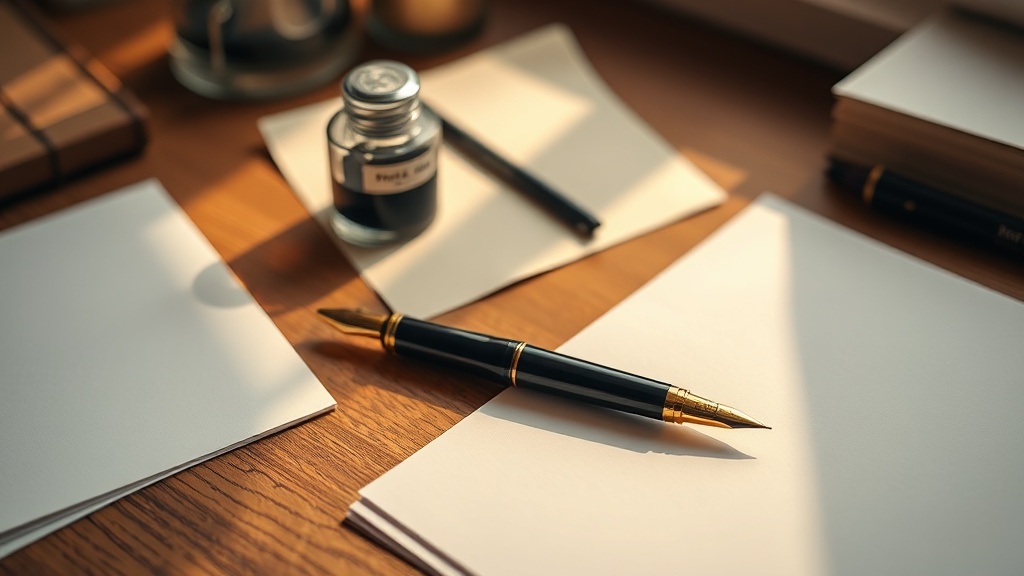
Weekly Fountain Pen Cleaning Routine: Keep Your Nibs Smooth & Ink Flowing

Do you ever wonder why a pen that once glided like silk suddenly starts sputtering? A quick, weekly cleaning can rescue the flow before the problem becomes permanent. I’ve refined a routine that works for everything from a century‑old Parker 51 to my daily Pilot Kakuno, and it only takes ten minutes.
Why does a weekly cleaning matter?
Fountain pens are living tools. Ink dries, pigments settle, and tiny debris can lodge in the feed. Even the most robust pens develop a thin film that changes the capillary action. By cleaning regularly you:
- Maintain consistent ink flow.
- Prevent corrosion on metal parts.
- Extend the lifespan of vintage nibs.
What supplies do I need?
- Soft bristle cleaning brush — a tapered Lamy brush works wonders for delicate feeds. See one here.
- Distilled water — avoids mineral buildup.
- Pen cleaning solution (optional) — a few drops of a mild surfactant help dissolve stubborn pigments. Recipe ideas.
- Micro‑fiber cloth — lint‑free for drying and polishing.
- Loupe (10×) — to inspect the nib after cleaning.
How do I clean a pen step‑by‑step?
1. Disassemble the pen
Unscrew the barrel, remove the cap, and gently pull out the converter or cartridge. If your pen has a screw‑on nib section, loosen it just enough to free the nib and feed.
2. Soak the nib and feed
Place the nib and feed in a small cup of distilled water (add a drop of cleaning solution if you’re tackling colored inks). Let them sit for 1–2 minutes; this loosens dried ink without harming the metal.
3. Brush away residue
Using the soft bristle brush, sweep the feed’s channels in a circular motion. The bristles reach into the tiny slots where ink can crust.
4. Rinse thoroughly
Remove the nib and feed, then rinse under a gentle stream of distilled water until the water runs clear. A quick dip in an ultrasonic cleaner is optional but especially helpful for older pens with intricate feed geometry.
5. Dry and inspect
Pat the nib and feed dry with a micro‑fiber cloth. Examine the tines under a loupe — they should be smooth and evenly spaced. If you spot a scratch, consult my scratch‑repair guide.
6. Reassemble and refill
Re‑attach the nib, insert a fresh cartridge or fill the converter with ink you’ve filtered through an ink separator. Give the pen a final wipe‑down with the cloth.
7. Test the flow
Write a few lines on a test sheet (Tomoe River 52 gsm is perfect). The ink should glide without sputtering. If you notice hesitation, repeat steps 2‑4.
How often should I run this routine?
For pens you write with daily, a weekly clean keeps the feed clear of pigment buildup. For occasional “collector” pens, a monthly clean is sufficient—just be sure to clean before storing them for long periods.
Common mistakes to avoid
- Using tap water — minerals leave deposits that attract more ink.
- Scrubbing too hard — can bend delicate tines.
- Skipping the drying step — moisture left in the feed leads to ink pooling.
Related Reading
- The Maintenance Paradox — why “no‑buy” years demand a technician’s mindset.
- The Pen Show Pilgrim — a guide to buying the right tuning tools.
- The Lamy 2000 at Sixty — a case study of a pen that thrives with regular care.
FAQs
Can I use regular dish soap instead of a pen‑specific solution? Yes, but only a single drop in a cup of distilled water. Strong detergents can strip lacquer finishes.
Do I need an ultrasonic cleaner for modern pens? Not required, but it’s a lifesaver for vintage feeds that trap pigment.
How long should the soak be? Two minutes is enough for most inks; longer soaks risk metal corrosion.
Steps
- 1
Disassemble the pen
Unscrew the barrel, remove the cap, and gently pull out the converter or cartridge. Loosen screw‑on nib sections just enough to free the nib and feed.
- 2
Soak the nib and feed
Place nib and feed in distilled water (add a drop of cleaning solution for colored inks) for 1–2 minutes to loosen dried ink.
- 3
Brush away residue
Use a soft bristle brush to sweep the feed’s channels in a circular motion, reaching tiny slots where ink can crust.
- 4
Rinse thoroughly
Rinse under a gentle stream of distilled water until clear; optional ultrasonic dip for vintage pens.
- 5
Dry and inspect
Pat dry with a micro‑fiber cloth and examine tines under a 10× loupe; smooth, evenly spaced tines are ideal.
- 6
Reassemble and refill
Re‑attach nib, insert fresh cartridge or filtered ink via an ink separator, and wipe down the pen.
- 7
Test the flow
Write on Tomoe River 52 gsm paper; ink should glide without sputtering. Repeat cleaning steps if needed.