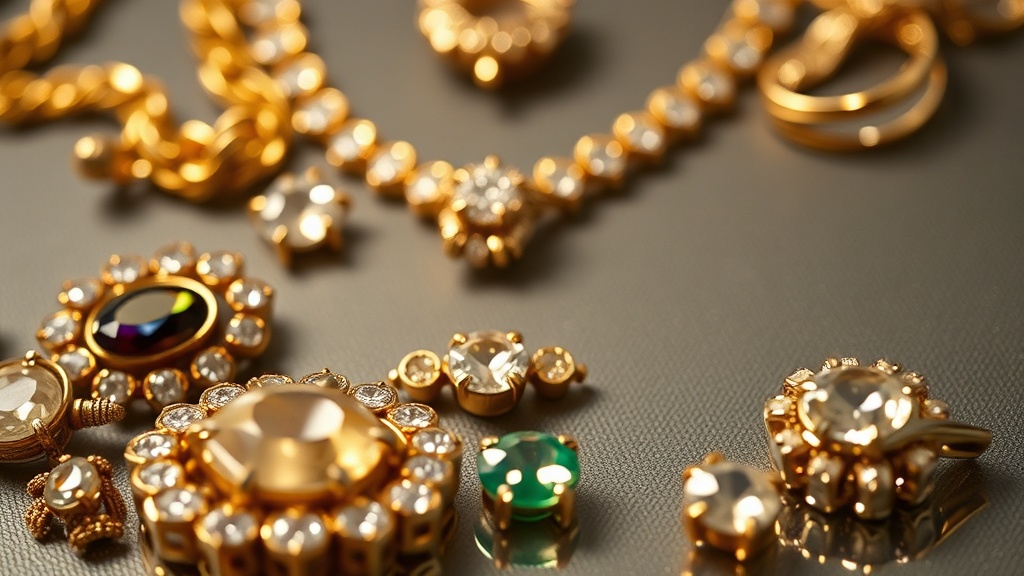
Why Your Vintage Designer Jewelry Is Losing Its Luster

A vintage Chanel clip-on earring or a mid-century Trifari brooch that once gleamed with high-polish brilliance often arrives in a collector's hands looking dull, cloudy, or even tarnished. This degradation isn't always a sign of poor quality; rather, it is usually the result of specific chemical reactions between the metal alloys and the environment. Understanding the science behind this loss of luster—and knowing which cleaning methods are safe for specific materials—is essential for preserving the value and aesthetic integrity of your fashion collectibles.
The Chemistry of Tarnish and Oxidation
Most vintage designer jewelry, particularly high-end costume pieces from the mid-20th century, is not solid gold or platinum. Instead, these pieces often consist of a base metal—such as brass, copper, or nickel—that has been plated with a thin layer of a precious metal. The "luster" you see is the light reflecting off this top layer. When that layer is compromised, or when the base metal reacts with the air, the piece loses its shine.
Oxidation occurs when the metal reacts with oxygen in the atmosphere. For example, copper-based alloys react with oxygen to form copper oxide, which appears as a dark brown or even green film. This is a common issue in vintage pieces where the plating has worn thin. If you are seeing a greenish tint on your skin or the jewelry itself, you are likely witnessing the oxidation of a copper base. To understand more about this specific reaction, you can read our guide on why your vintage designer costume jewelry is turning green.
Common Culprits of Rapid Degradation
Several environmental factors accelerate the dulling of vintage jewelry. Identifying these can help you prevent damage before it becomes permanent:
- Atmospheric Sulfur: Sulfur is a major enemy of silver-plated jewelry. Even small amounts in the air can cause silver to turn black (silver sulfide). This is particularly prevalent in urban areas or near industrial zones.
- Human Skin Chemistry: The pH level of your skin affects how jewelry reacts. Highly acidic sweat can accelerate the corrosion of base metals through the plating.
- Cosmetic Residue: Perfumes, hairsprays, and even high-end lotions contain alcohol and various esters. When these settle on a piece of jewelry, they can eat through delicate gold plating or cloud the surface of glass stones.
- Humidity and Moisture: High humidity levels facilitate the electrochemical reactions that lead to tarnish. Storing jewelry in a humid bathroom or a non-sealed container is a recipe for rapid dulling.
Material-Specific Cleaning Protocols
Treating a piece of vintage jewelry requires the same precision I use when handling a delicate fountain pen nib. You cannot use a "one size fits all" approach. A method that restores a gold-plated brooch might permanently ruin a piece of vintage celluloid or a delicate pearl strand.
Gold-Plated and Vermeil Pieces
Gold-plated jewelry is extremely fragile. The layer of gold is often only a few microns thick. Using abrasive polishes or even a stiff toothbrush can physically strip the gold away, exposing the base metal underneath. This is a permanent loss of value.
The Safe Method: Use a soft, lint-free microfiber cloth. Dampen a small corner of the cloth with distilled water—never tap water, as the minerals and chlorine can leave deposits. Gently wipe the metal surfaces. If the piece has significant buildup, use a very mild solution of pH-neutral soap and distilled water. Rinse by wiping with a fresh, damp cloth and dry immediately with a clean cloth. Never soak gold-plated items.
Silver and Silver-Plated Jewelry
Silver is highly reactive to sulfur. While it is tempting to use heavy-duty silver dips, these are often too aggressive for vintage designer pieces. A chemical dip can strip the "patina" that collectors actually value, leaving the piece looking unnaturally bright and "new," which can actually lower its vintage appeal.
The Safe Method: For light tarnish, use a specialized silver polishing cloth. These cloths are impregnated with a tiny amount of polishing agent. For heavier tarnish on sturdier pieces, a very dilute solution of baking soda and water can be used, but only if the piece has no organic gemstones (like pearls or turquoise) attached. Apply with a soft cloth, rub gently, and rinse thoroughly with distilled water.
Enamel and Painted Surfaces
Many vintage designer pieces, such as those from Fabergé-inspired collections or mid-century enamelwork, feature colored enamel. This is essentially a glass coating. If you use an abrasive, you will create micro-scratches that dull the shine and make the enamel look cloudy.
The Safe Method: Avoid all chemical cleaners. Use only a dry, soft brush (like a clean, high-quality makeup brush) to remove dust from the crevices of the enamel. If cleaning is necessary, use a slightly damp cotton swab with distilled water. Avoid any contact with alcohol-based cleaners, as they can dissolve certain types of vintage resins and paints.
The Importance of Storage and Maintenance
Prevention is significantly more effective than restoration. Once a metal has been deeply pitted by corrosion, no amount of polishing will return it to its original state. You must treat the storage of your jewelry with the same level of care as one would treat a collection of vintage fountain pens or high-end leather goods.
Optimal Storage Environments
To maintain the luster of your collection, follow these three structural rules for storage:
- Individual Compartmentalization: Never store jewelry pieces touching one another. Metal-on-metal contact can lead to scratches, and different metals (like a steel clasp on a gold-plated chain) can cause galvanic corrosion. Use individual velvet-lined slots or small, soft fabric pouches.
- Air-Tight Protection: For silver and silver-plated items, airtight storage is non-negotiable. Use specialized anti-tarnish strips (often called "Rodico" or similar in the collector community) inside your jewelry boxes. These strips absorb the sulfur and moisture that cause tarnishing.
- Temperature and Light Control: Keep your collection in a cool, dry place. Avoid sunlight, which can degrade certain vintage plastics and organic gemstones (like amber or opal) often found in designer jewelry.
The "Last On, First Off" Rule
The most effective way to prevent the dulling of your jewelry is to control when it comes into contact with chemicals. This is a standard rule in the jewelry industry: jewelry should be the very last thing you put on in the morning, after your perfume, hairspray, and lotion have completely dried. Conversely, it should be the first thing you take off when you get home. This minimizes the time the pieces are exposed to the corrosive elements of your daily routine.
When to Seek Professional Help
As someone who spends a great deal of time restoring the mechanical precision of vintage writing instruments, I know when a problem exceeds the capabilities of home maintenance. If you notice that the plating is visibly flaking off, or if a gemstone appears to be loose due to metal corrosion, stop all cleaning attempts immediately.
Attempting to "buff out" a deep scratch on a plated piece will only result in a larger patch of exposed base metal. If the piece has significant sentimental or financial value, consult a professional jeweler who specializes in vintage restoration. They have the specialized tools, such as ultrasonic cleaners (used with extreme caution) and precision polishing lathes, to handle these tasks without compromising the integrity of the piece.