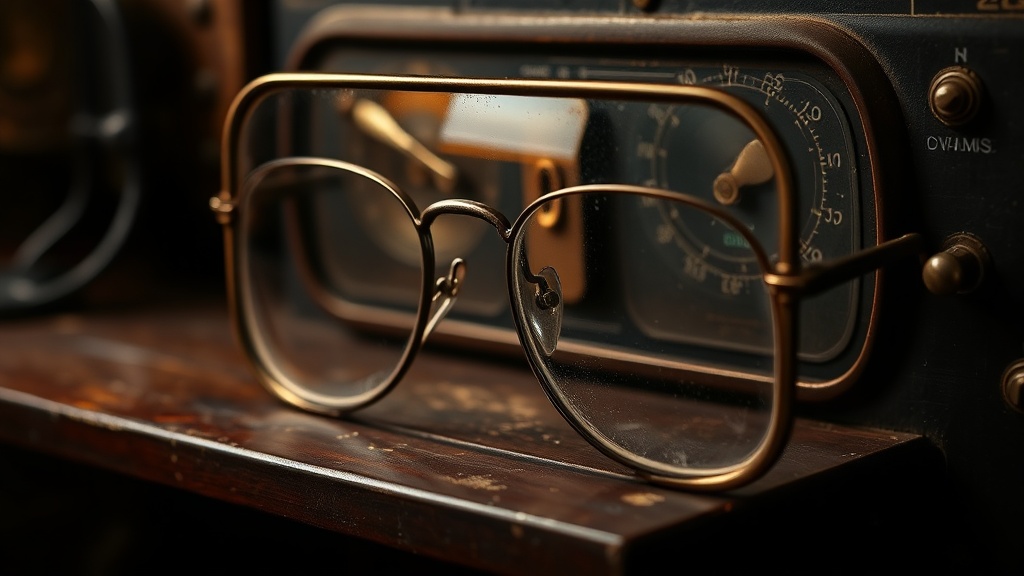
How to Clean Vintage Designer Metal Frames

A tarnished pair of vintage Cartier Trinity rings or a set of weathered 1950s gold-filled eyewear frames requires more than a simple wipe with a cloth to regain their original brilliance. Metal degradation in high-end collectibles often stems from a combination of oxidation, skin oils, and environmental particulate matter that settles into microscopic crevices. This guide provides specific, technical protocols for cleaning and maintaining vintage metal frames—ranging from jewelry to eyewear and small hardware—without compromising the integrity of the plating or the structural stability of the piece.
Identify the Metal Composition First
Before applying any liquid or abrasive, you must identify the base metal and the surface plating. Using the wrong cleaning agent on a piece of vintage jewelry can result in permanent "pitting" or the complete stripping of a gold wash. If you treat a gold-filled piece like solid 18k gold, you risk exposing the much softer brass or copper underneath.
Look for hallmarks or maker's marks. A "925" stamp indicates sterling silver, which is highly reactive to sulfur and requires different care than a "14K" stamp indicating solid gold. If there is no hallmark, treat the item as "gold-filled" or "gold-plated." These items are significantly more delicate; the gold layer is a micron-thin coating that can be easily worn away by aggressive scrubbing. For those dealing with vintage accessories, understanding why vintage designer jewelry loses its luster is the first step in preventing permanent damage during the cleaning process.
The Three Categories of Vintage Metal
- Noble Metals: Solid gold (10k, 14k, 18k), platinum, and palladium. These are highly resistant to corrosion and can handle more frequent cleaning with mild solutions.
- Silver Alloys: Sterling silver and silver-plated items. These oxidize (tarnish) quickly when exposed to air and sulfur.
- Plated/Base Metals: Gold-filled, gold-plated, or rhodium-plated brass and copper. These are the most fragile and require non-abrasive, pH-neutral approaches.
Essential Tools and Supplies
Precision in cleaning requires specific tools. Do not use household dish soaps that contain heavy fragrances or bleaching agents, as these can leave a chemical residue that attracts more grime. Instead, assemble the following professional-grade kit:
- Distilled Water: Tap water contains minerals like calcium and magnesium that leave white spots or "scale" on metal surfaces.
- pH-Neutral Soap: A mild, fragrance-free liquid soap designed for delicate surfaces.
- Microfiber Cloths: High-density, lint-free cloths are essential. Avoid paper towels, as the wood fibers act as micro-abrasives that create fine scratches.
- Soft-Bristled Brushes: A dedicated soft toothbrush or a high-quality makeup brush for reaching tight junctions.
- Ultrasonic Cleaner (Optional): Only for solid precious metals. Never use an ultrasonic cleaner on plated items or pieces with organic gemstones (like pearls or opals).
- Polishing Cloths: Specialized jeweler's cloths treated with a tiny amount of polishing compound (use sparingly).
Protocol for Sterling Silver and Silver-Plated Items
Silver undergoes a chemical reaction called sulfidation, resulting in that dull, blackish film known as tarnish. This is common in vintage silverware or designer silver-toned jewelry. Because silver is a relatively soft metal, you must avoid heavy-duty chemical dips that can strip the metal entirely.
The Gentle Soak Method
For a standard cleaning of sterling silver, create a solution of warm distilled water and a few drops of pH-neutral soap. Submerge the item for no more than five minutes. Use a soft-bristled brush to gently agitate the crevices, such as the areas around settings or engravings. Rinse thoroughly with distilled water and pat dry with a lint-free microfiber cloth. Do not let the item air-dry, as water spots can form.
Removing Stubborn Tarnish
If the tarnish is deep, use a specialized silver polishing cream, such as Wright's Silver Cream. Apply a small amount to a soft cloth and rub in a circular motion with minimal pressure. The goal is to lift the oxidation, not to grind it away. If you are cleaning vintage metal eyeglass frames, avoid applying cream directly to the lenses; instead, apply it to the cloth first to prevent any transfer of oils or abrasants to the optical surfaces.
Protocol for Gold-Filled and Gold-Plated Metals
This is the most critical area of caution. Gold-filled items (often seen in vintage luxury accessories) have a thicker layer of gold than gold-plated items, but they are still susceptible to "rub-off." If you scrub a gold-plated designer clasp too aggressively, you will eventually see the silver or copper color bleeding through the gold.
The Rule of Minimal Friction: When cleaning gold-plated metal, never use a polishing cloth that contains embedded abrasives. These are designed to "cut" the metal to create a shine, but on plated items, they will simply cut through the gold layer. Instead, use a damp microfiber cloth with a tiny amount of distilled water and a drop of mild soap. Wipe the surface with light, sweeping motions rather than vigorous circular scrubbing. This removes skin oils and dirt without compromising the plating thickness.
Cleaning Metal Eyewear Frames
Vintage designer eyewear often features complex hinge mechanisms and nose pads that collect skin oils, sebum, and dead skin cells. This buildup can lead to the metal becoming brittle or the fit becoming unstable. If you have noticed your frames shifting, it may be due to this buildup rather than structural failure. You can learn more about frame maintenance in our guide on why vintage designer sunglasses get loose.
Step-by-Step Eyewear Cleaning
- Initial Rinse: Hold the frames under a gentle stream of lukewarm distilled water. Avoid hot water, as high temperatures can damage certain vintage coatings or lens treatments.
- Soap Application: Apply a single drop of pH-neutral soap to your fingertips. Gently rub the temples, the bridge, and the nose pads.
- Detailing the Hinges: Use a soft-bristled toothbrush to clean the hinge area. This is where microscopic debris often jams the movement. Be extremely gentle; you do not want to bend the metal components.
- The Final Rinse: Rinse the frames thoroughly under distilled water. Any soap residue left behind will attract more dirt and can irritate the skin around your eyes.
- Drying: Use a clean microfiber cloth to blot the frames dry. Ensure the nose pads and the areas behind the ears are completely dry before wearing them to prevent moisture-induced oxidation.
Common Pitfalls to Avoid
In the world of vintage collectibles, a single mistake can turn a restorable piece into a lost cause. Avoid these common mistakes:
- Using Toothpaste: While a common "hack," most toothpastes contain silica and other abrasives that are far too harsh for vintage gold plating or silver. They will leave micro-scratches that dull the finish permanently.
- Chemical Exposure: Never clean metal frames while wearing them or near household chemicals like bleach or ammonia. These substances can cause immediate discoloration of gold and silver.
- The Ultrasonic Danger: As mentioned, never put items with organic elements (pearls, tortoise shell, or certain vintage plastics) into an ultrasonic cleaner. The high-frequency vibrations can shatter or loosen the settings of gemstones and crack delicate vintage materials.
- Over-Polishing: Polishing is a subtractive process. Every time you polish a metal surface, you are removing a microscopic layer of that metal. Over-polishing a vintage piece will eventually thin the metal and destroy its structural integrity.
Storage for Long-Term Preservation
Cleaning is only half the battle; preventing future oxidation is the other. Once your metal frames are clean and completely dry, store them in a controlled environment. For jewelry, individual soft pouches (like silk or velvet) are ideal to prevent scratching and to limit air exposure. For eyewear, a hard case is mandatory. Avoid storing vintage metal items in humid environments, such as a bathroom, as moisture is the primary catalyst for tarnish and corrosion.
Steps
- 1
Prepare a mild cleaning solution
- 2
Rinse with lukewarm water
- 3
Use a soft brush for crevices
- 4
Dry thoroughly with microfiber