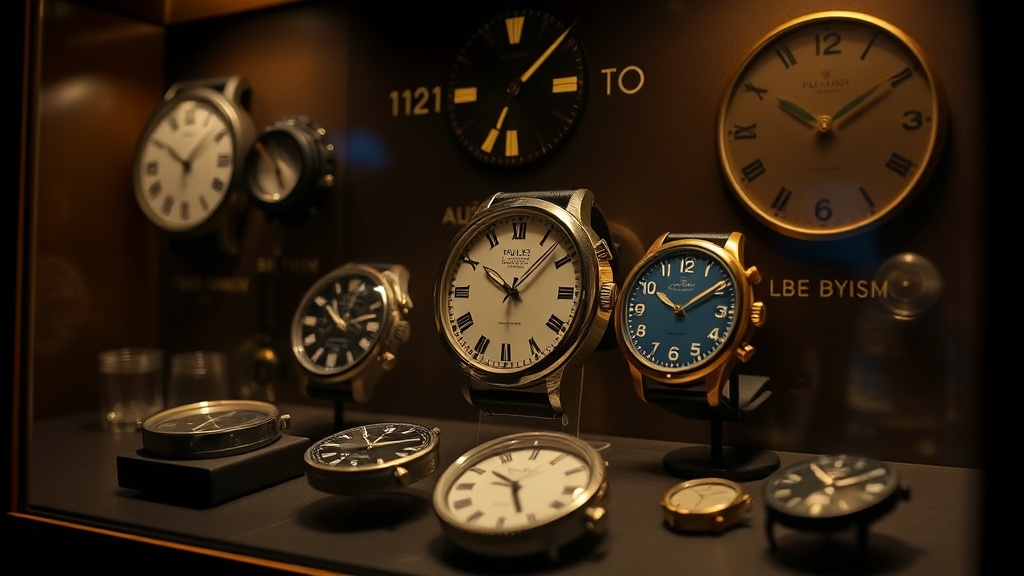
Lustre & Light: Setting Up a Museum-Grade Display for Vintage Timepieces

A single beam of sunlight cuts through the heavy velvet curtains of a study, striking the polished bevel of a 1950s Patek Philippe Calatrava. The light does not merely hit the surface; it interacts with the geometry of the case, dancing across the stepped edges and settling into the depth of the sapphire crystal. To the untrained eye, it is a beautiful object. To the collector, it is a delicate ecosystem of metallurgy, lubricants, and light-sensitive organic components that requires a controlled environment to survive the decades.
Displaying a vintage timepiece is a balancing act between aesthetic presentation and rigorous preservation. A display case is not merely a box to hold an object; it is a micro-environment. Whether you are showcasing a rugged Omega Speedmaster Professional or a delicate Cartier Tank, the goal is to celebrate the mechanical soul of the piece while shielding it from the invisible degradants that cause oxidation, UV damage, and mechanical fatigue. Achieving a museum-grade setup requires a systematic approach to light, humidity, and physical support.
The Foundation: Selecting the Enclosure
The choice of a display case dictates the long-term viability of your collection. While many collectors gravitate toward high-gloss acrylic or standard glass cabinets, these materials possess varying degrees of protective capability. For a professional-grade setup, consider the following structural requirements:
- Material Density: Opt for solid wood or high-density resin structures. These materials provide better thermal mass, helping to stabilize internal temperatures against external fluctuations.
- Seal Integrity: A museum-grade case should ideally feature a gasketed seal. Even a slight air exchange can introduce ambient moisture or pollutants into the display area.
- Glazing Specifications: Standard glass offers minimal protection against ultraviolet (UV) radiation. For high-value vintage pieces, utilize Museum Glass or UV-filtering Acrylic. These materials can block up to 99% of UV rays, which are primary culprits in the fading of vintage dials and the degradation of leather straps.
If you are building a custom cabinet, ensure the internal volume is not too cramped. Airflow, though minimal in a sealed case, is necessary to prevent the buildup of stagnant micro-climates. Just as one must consider the structural integrity of a drafting table, consider the load-bearing capacity of your display shelves to prevent bowing or vibration-induced movement.
Illumination: Managing the Kelvin and the Lumen
Light is the most transformative element of a display, but it is also the most destructive. The goal is to highlight the luster of the metal without inducing heat or light-bleaching. A poorly lit case can turn a vibrant sunburst dial into a washed-out relic within a few years.
The Spectrum of Light
Avoid all direct sunlight and standard incandescent bulbs, which emit high levels of infrared radiation (heat) and UV rays. Instead, utilize LED (Light Emitting Diode) technology. LEDs are the industry standard for museum displays because they emit very little heat and can be engineered to specific color temperatures. For vintage gold or steel timepieces, a warmer color temperature—around 2700K to 3000K—enhances the warmth of the metal. For stainless steel or platinum, a neutral 4000K light provides a crisp, modern clarity.
Placement and Intensity
Position your light sources away from the direct line of sight to avoid glare on the crystal. Use fiber optic lighting or recessed LED strips tucked into the edges of the shelving. This creates a soft, ambient glow that illuminates the piece from the periphery rather than a harsh, direct spotlight. Aim for a low lumen output; you want the watch to be visible, not blinding. High intensity can lead to "thermal shock," where the temperature differential between the heated glass and the cooler air inside causes condensation or expansion issues within the movement.
The Interior Environment: Humidity and Air Quality
The greatest enemy of vintage horology is often invisible: moisture. Humidity affects both the metal of the case and the organic components like leather straps or wooden dial veneers. A high-humidity environment can lead to rust on the movement components or the swelling of leather, while too much dryness can cause vintage leather to crack and become brittle.
To maintain a stable environment, incorporate a silica gel canister or a professional-grade humidity control system within the base of your display. The ideal relative humidity (RH) for a watch collection is between 40% and 50%. If you are displaying pieces with leather straps, monitor this closely, as leather requires a specific moisture threshold to maintain its suppleness.
Furthermore, ensure that the materials used inside the case are chemically inert. Avoid using cheap plastics or low-grade foams that "off-gas" volatile organic compounds (VOCs). These gases can react with the metal of the watch, leading to premature tarnishing. For more on the nuances of metal preservation, see our guide on preventing oxidation on vintage watch cases.
Support and Presentation: Pillows and Stands
How a watch rests on its support is a matter of both ergonomics and mechanical safety. A poorly designed watch pillow can put undue stress on the bracelet or the spring bars, potentially causing damage to the lugs over time.
Selecting the Right Support
- Watch Pillows: For bracelets, use high-density foam pillows. Ensure the cover is made of a non-abrasive, acid-free fabric such as silk, velvet, or high-quality microfiber. Avoid synthetic materials that may harbor static or release chemicals.
- Single Watch Stands: For individual pieces, a single-watch stand provides a more architectural, elevated look. Choose stands with a weighted base to prevent tipping. The contact point between the stand and the watch should be as soft as possible to avoid scratching the polished surfaces.
- Acrylic Risers: These are excellent for creating depth in a display, but ensure they are UV-stabilized. Standard acrylic can yellow over time and can also emit gases that may affect the watch's finish.
When positioning a watch on a pillow, do not over-tighten the bracelet. The tension should be sufficient to hold the piece upright and aesthetically pleasing, but it should never be so tight that it puts constant pressure on the clasp or the end links. This is particularly important for vintage bracelets, which may have weakened pins or fatigued metal.
Maintenance: The Curator’s Routine
A museum-grade display is not a "set it and forget it" endeavor. It requires a disciplined maintenance schedule to ensure the environment remains pristine. A collector's touch should be minimal and highly controlled.
- Dusting: Use a natural hair brush (such as a high-quality makeup brush or a specialized horological brush) to remove dust from the display surfaces. Never use a cloth that might snag on the watch's crown or push abrasive particles into the crevices of the bracelet.
- Handling: Always handle your timepieces with lint-free cotton gloves. The oils from your skin are acidic and can leave permanent fingerprints on polished steel or gold. If you must handle a piece without gloves, use a microfiber cloth to wipe it down immediately after.
- Inspection: Once a month, perform a visual inspection of the display. Check for any signs of condensation inside the glass, discoloration of the leather, or any changes in the light output. If you notice the light flickering or dimming, replace the source immediately to avoid inconsistent exposure.
Treating your collection with the same precision one would use when calibrating a fine instrument ensures that these mechanical marvels remain in display-ready condition for generations. A well-curated display is more than a storage solution; it is a testament to the craftsmanship of the past and the diligence of the collector.
Steps
- 1
Evaluate Your Lighting Environment
- 2
Select Non-Reactive Display Materials
- 3
Control Micro-Climates and Humidity
- 4
Organize by Aesthetic or Movement Type