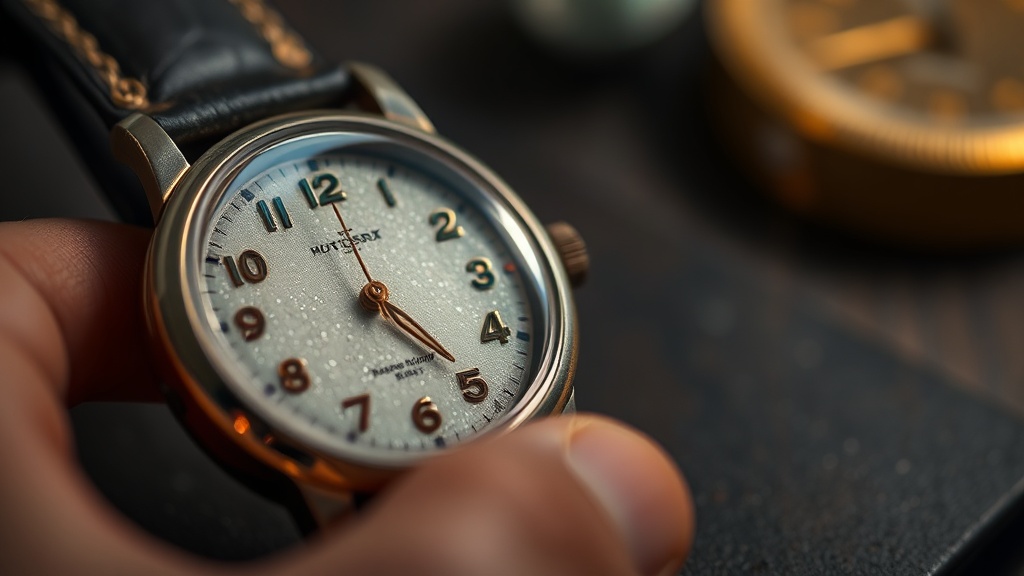
Micro-Fiber & Micro-Dust: Protecting Vintage Watch Crystals

Quick Tip
Always use a clean, high-quality micro-fiber cloth and avoid abrasive materials to prevent micro-scratches on vintage crystals.
Micro-Fiber & Micro-Dust: Protecting Vintage Watch Crystals
This guide provides specific protocols for cleaning and protecting the crystal surfaces of vintage timepieces to prevent permanent micro-scratching and abrasive damage.
The primary threat to a vintage watch crystal—whether it is acrylic (Hesalite), mineral glass, or sapphire—is not the passage of time, but the accumulation of microscopic particulate matter. Even a single grain of silica or quartz dust can act as an abrasive when a cloth is passed over the surface, turning a routine cleaning into a scouring process. To maintain clarity, you must manage both the tool and the environment.
The Protocol for Surface Cleaning
Never attempt to wipe a dry crystal immediately upon removing a watch from storage or after wearing it. The friction of a dry cloth against trapped dust is the leading cause of "swirl marks" on acrylic crystals. Follow these steps instead:
- The Air Purge: Use a manual rubber air blower (such as a Giottos Rocket Air Blower) to dislodge loose particles from the lugs and the perimeter of the crystal. This removes the heavy grit that a cloth would otherwise grind into the surface.
- The Moisture Buffer: Use a dedicated, high-quality microfiber cloth. Avoid generic "cleaning cloths" found in hardware stores, as these often contain recycled fibers that can be overly coarse. A Carl Zeiss lens cloth or a specialized Bergeon polishing cloth is the industry standard for a reason.
- The Damp Method: If the crystal is particularly soiled, lightly dampen a corner of the microfiber cloth with distilled water. The moisture helps encapsulate the dust rather than spreading it. Use a single, unidirectional wipe rather than circular motions to minimize the risk of lateral scratching.
Long-Term Storage and Environmental Control
Once the crystal is clean, the goal shifts to prevention. Dust is a persistent traveler, often settling in watch winders or display trays. To ensure your collection remains pristine, consider the following:
- Physical Barriers: Store timepieces in glass-topped display cases or specialized watch boxes. If you are displaying pieces in an open environment, ensure they are not near high-traffic areas or air vents where airborne particulates are concentrated.
- Material Awareness: Acrylic crystals, common on vintage Omega or Longines models, are particularly soft. While they can be polished with Polywatch, prevention is far more effective than restoration.
For a comprehensive approach to your collection's upkeep, review our guide on setting up a museum-grade display for vintage timepieces to ensure your storage environment is as controlled as your cleaning routine.