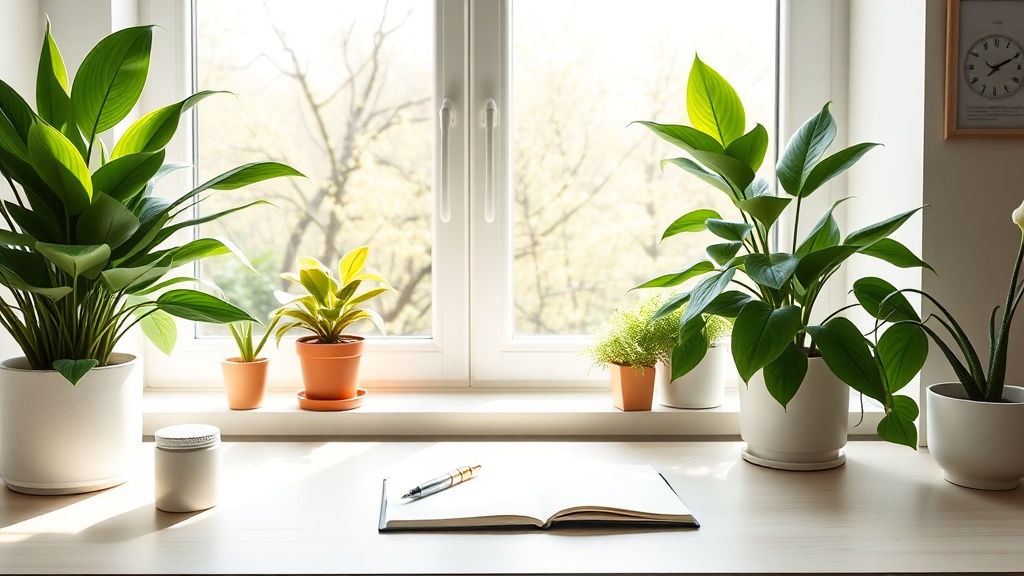
Spring Refresh: Designing a Sensory‑Rich Workspace with Plants and Natural Light

Can a simple desk makeover really lift my mood and productivity?
Absolutely. I’ve spent fifteen years drafting precise architectural plans, and I know how powerful a well‑lit, thoughtfully arranged space can be. When I first swapped a sterile, fluorescent‑lit office for a sun‑filled nook with a few hardy plants, my focus sharpened and my writing felt more fluid—like a nib finally tuned to its sweet spot.
Why does biophilic design matter now, especially for remote writers?
Recent lifestyle coverage points to a surge in biophilic design as remote work cements itself. ArchDaily notes that exposure to natural elements can lower stress hormones by up to 15 % and boost creative output. For us fountain‑pen enthusiasts, the tactile feedback of a plant’s leaf or the gentle shift of sunlight across a page can translate into a more intentional writing rhythm.
How do I assess my current desk setup before the spring overhaul?
Start with a quick audit. Grab a notebook and jot down three things:
- Light source: Is it harsh fluorescent or a window that offers directional daylight?
- Surface texture: Does your desk feel cold and flat, or does it have any natural material?
- Air quality: Are you surrounded by stale office air or a hint of fresh breezes?
From there, rank each on a 1‑5 scale. Anything below a 3 is a candidate for improvement. I keep a simple spreadsheet for each workspace I tweak, which helps me track how changes affect my writing flow over weeks.
Which low‑maintenance plants are best for a desk that doesn’t demand a green‑thumb?
Here are my go‑to selections, chosen for their resilience, air‑purifying qualities, and modest size:
- Snake Plant (Sansevieria) — Thrives on neglect, tolerates low light, and releases oxygen at night.
- Pothos (Epipremnum aureum) — A trailing vine that can be clipped to sit atop a monitor; it tolerates irregular watering.
- ZZ Plant (Zamioculcas zamiifolia) — Stores water in its rhizomes, making it perfect for busy writers.
- Air Plants (Tillandsia) — No soil needed; just mist weekly and they’ll add a sculptural element.
- Spider Plant (Chlorophytum comosum) — Easy propagation, and its arching leaves create a soft visual break.
All of these fit comfortably on a standard desk without crowding your fountain pen or notebook. I usually place a small snake plant on the left side to catch the morning sun, and a trailing pothos on the right to soften the edge of my monitor.
How can I maximize natural light without glare?
First, identify the window’s orientation. North‑facing windows provide steady, diffused light—ideal for reading and writing. East‑facing windows give a bright morning boost, while west‑facing ones risk harsh evening glare.
Use these tricks:
- Sheer curtains — They diffuse harsh rays while preserving daylight intensity.
- Adjustable desk height — Raise your work surface to sit just below the window sill for maximum illumination.
- Reflective surfaces — A light‑colored desk or a matte white backsplash can bounce light onto your workspace.
In my own studio, I installed a thin, frosted film on the lower third of the glass. It reduces glare on the pen nib while still letting the sunrise warm the room.
What natural textures can I weave into my desk without clutter?
Texture adds a tactile cue that reminds the brain you’re in a purposeful environment. Consider these subtle upgrades:
- Wooden desk pad — A reclaimed oak pad feels warm under the hand and protects the surface.
- Cork board — Mount a cork board for quick notes; its soft surface contrasts nicely with metal pen clips.
- Linen desk mat — A woven linen mat adds a gentle grain that pairs well with a fountain pen’s smooth glide.
- Stone paperweight — A small river‑rock paperweight anchors papers and adds a grounding element.
These items are both functional and aesthetic, reinforcing the “tool‑as‑extension” mindset I champion in my tuning bench.
How does a biophilic workspace impact mental health and focus?
Studies from the Journal of Environmental Psychology show that office workers with plants experience a 12 % reduction in perceived stress and a 7 % increase in task‑related satisfaction. The same research cites improved concentration scores, which is exactly what we need when we’re polishing a delicate nib or drafting a long‑form essay.
For me, the simple act of watering a pothos during a break becomes a mindful pause—a micro‑ritual that resets my focus before I return to the page.
What are the quick‑start steps to implement this spring refresh?
- Audit your light — Note the direction and intensity; add curtains or film as needed.
- Pick two plants — Choose from the list above and place them where they’ll catch light.
- Introduce texture — Add a wooden pad or linen mat to your desk surface.
- Re‑position your tools — Keep your fountain pen, notebook, and ink within arm’s reach, but allow the plants to frame the workspace.
- Schedule a weekly refresh — Water plants, wipe surfaces, and adjust lighting as the season progresses.
By the end of the first week, you should notice a subtle lift in mood and a smoother writing flow—much like the difference between a raw nib and a finely tuned one.
Where can I learn more about ergonomics and digital wellbeing?
For deeper ergonomics tips, see my earlier guide Spring Home Office Ergonomics: Adjust Your Setup for Longer Days. If you’re looking to cut screen fatigue, check out Spring Digital Detox: Refresh Your Online Habits for Better Well‑Being. And for a nature‑focused writing retreat, read Spring 2026 Outdoor Writing Retreats.
Takeaway
Spring isn’t just a season—it’s an invitation to re‑engineer your environment. By embracing biophilic design—plants, daylight, and natural textures—you give your mind the same precision and comfort you demand from a well‑tuned nib. Start small, iterate weekly, and watch both your mood and your writing improve, one sunrise at a time.