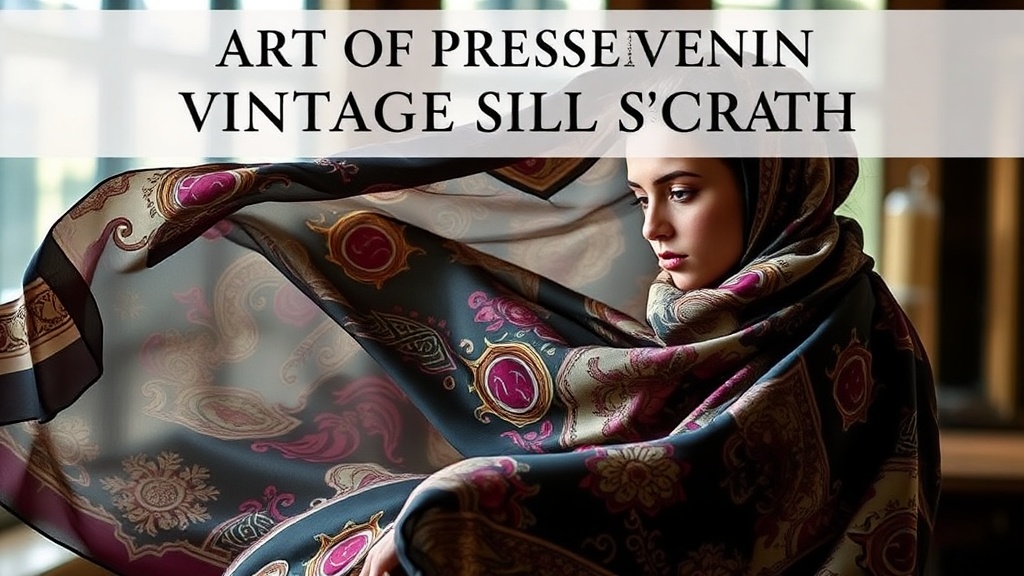
The Art of Preserving Vintage Silk Scarves

In my previous life as an architectural draftsperson, I lived by the precision of the line. A millimeter of deviation in a blueprint could compromise the integrity of an entire structure. When I transitioned from the drafting table to the restoration bench, I brought that same obsession with structural integrity and fine detail with me. Whether I am adjusting the tines of a 1940s Parker Vacumatic or examining the weave of a vintage Hermès scarf, the principle remains the same: preservation is an act of respect for the maker’s original intent.
A vintage silk scarf is more than a piece of fabric; it is a structural masterpiece of fiber and dye. Much like a fine fountain pen, these items are susceptible to the passage of time, environmental stressors, and improper handling. If neglected, the very qualities that make them desirable—the luster of the silk, the vibrancy of the hand-rolled edges, and the fluidity of the print—can degrade. This guide is designed to provide you with a technical blueprint for the long-term preservation of your silk collections.
Understanding the Medium: The Vulnerability of Silk
To preserve something, you must first understand its weaknesses. Silk is a protein fiber, which makes it fundamentally different from plant-based fibers like cotton or linen. Because it is organic, it is highly reactive to its environment. It is sensitive to pH levels, moisture, UV radiation, and even the oils from your skin.
When I am working at my bench, I often think about how light affects different materials. Just as display burn can compromise the integrity of boxed cartridges, light is the silent enemy of vintage silk. Photodegradation occurs when ultraviolet rays break down the molecular bonds of the silk fibers and the pigments used in the dye. This results in "sun bleaching" or a general dulling of the colors, a process that is almost entirely irreversible.
The Three Pillars of Silk Preservation
Effective preservation relies on three primary controls: Light, Humidity, and Storage Architecture.
1. Light Management: The Battle Against UV
As a collector, your instinct may be to display your most beautiful pieces in a well-lit room. However, constant exposure to even indirect sunlight is a recipe for disaster. To protect your collection, follow these protocols:
- Avoid Direct Sunlight: Never hang or display silk scarves near windows. Even with UV-filtering film on your glass, the cumulative effect of light exposure is significant.
- Use Controlled Lighting: If you must display your collection, use LED lighting that emits minimal UV radiation. Unlike older incandescent bulbs, LEDs are much safer for organic materials.
- Rotation is Key: Much like the way collectors manage light exposure for rare books, rotate your pieces. Do not keep the same scarf on display for months at a time; give the fibers a "dark rest" to mitigate cumulative damage.
2. Humidity and Temperature: Maintaining Structural Stability
Silk thrives in a stable environment. Rapid fluctuations in humidity cause the fibers to expand and contract, which can lead to brittleness and the eventual cracking of the silk'-s natural luster. This is similar to the delicate balance required when storing rare first editions, where moisture control is paramount.
- Ideal Humidity: Aim for a relative humidity (RH) of 45% to 55%. Anything higher encourages the growth of mold and mildew; anything lower makes the silk dangerously brittle.
- Consistent Temperature: Keep your storage areas cool and constant. Avoid basements (too damp) or attics (too hot). A temperature of 65°F to 70°F (18°C to 21°C) is ideal.
- Airflow: While you want stability, stagnant air can trap moisture. Ensure your storage area has subtle, natural ventilation.
3. Storage Architecture: The Right Housing
How you "house" your silk is just as important as where you keep it. The goal is to minimize tension and prevent chemical transfer.
The Dangers of Hanging: One of the most common mistakes is hanging silk scarves on thin wire or plastic hangers. The weight of the fabric, even if minimal, creates stress points at the hanger corners, leading to permanent stretching and distortion of the hand-rolled edges. If you must hang them, use padded silk-covered hangers or wide, velvet-lined clips that distribute weight evenly.
The Gold Standard: Flat Storage: For long-term preservation, the best method is flat storage. Use acid-free, archival-quality tissue paper to wrap each scarf individually. This prevents "color transfer," where the dyes from one scarf might bleed onto another during contact. Store the wrapped scarves in acid-free boxes made of lignin-free cardboard. This is the same level of care I recommend for preserving vintage silk textiles to ensure they remain in museum-quality condition.
Handling and Maintenance: The Human Element
Even with perfect storage, the way you interact with your silk can cause micro-traumas to the fibers. When I am working on a delicate fountain pen, I use gloves to ensure that no oils or acids from my skin touch the metal or the resin. You should approach your silk with the same level of technical caution.
Clean Hands, Clean Silk
The natural oils (sebum), perspiration, and even the trace amounts of lotion on your hands can leave invisible residues on silk. Over time, these residues oxidize, causing yellowing and attracting dust.
- Wash Thoroughly: Before handling your collection, wash your hands with a pH-neutral soap and dry them completely.
- Consider Gloves: For truly high-value or extremely fragile pieces, use white cotton gloves. This provides a physical barrier between your skin and the textile.
- Minimize Contact: Treat your scarves as objects of art rather than everyday accessories. The more they are worn, the more they are exposed to the elements.
Cleaning and Stain Removal
Never, under any circumstances, attempt to "spot clean" a vintage silk scarf with household chemicals. Most household cleaners are highly alkaline, which will instantly damage the protein structure of the silk. If a stain occurs, the safest route is professional dry cleaning, specifically with a specialist who understands vintage textiles.
If you are cleaning a piece at home (which I generally advise against for vintage items), use only lukewarm water and a very mild, pH-neutral detergent. Do not wring or twist the fabric. Instead, lay the scarf on a clean towel and press the water out gently. Air dry the piece flat, away from any heat sources or sunlight.
A Final Note on Longevity
In my workshop, I often say that a tool—or a collectible—is only as good as the care it receives. A well-maintained fountain pen can write for a century; a well-preserved silk scarf can remain a vibrant piece of history for generations.
As we move through 2026, a year where we are increasingly focused on sustainability and the longevity of our possessions, practicing these preservation techniques is a way to honor the craftsmanship of the past. Whether you are collecting mid-century Hermès or vintage silk scarves from the Art Deco era, remember that you are not just a consumer; you are a temporary steward of these beautiful objects. Treat them with the precision, patience, and respect they deserve.
If you find yourself interested in the intersection of lifestyle and environmental harmony, you might also enjoy exploring how to sync your lifestyle with eco-friendly habits to ensure your collection and your home exist in a healthy, sustainable balance.