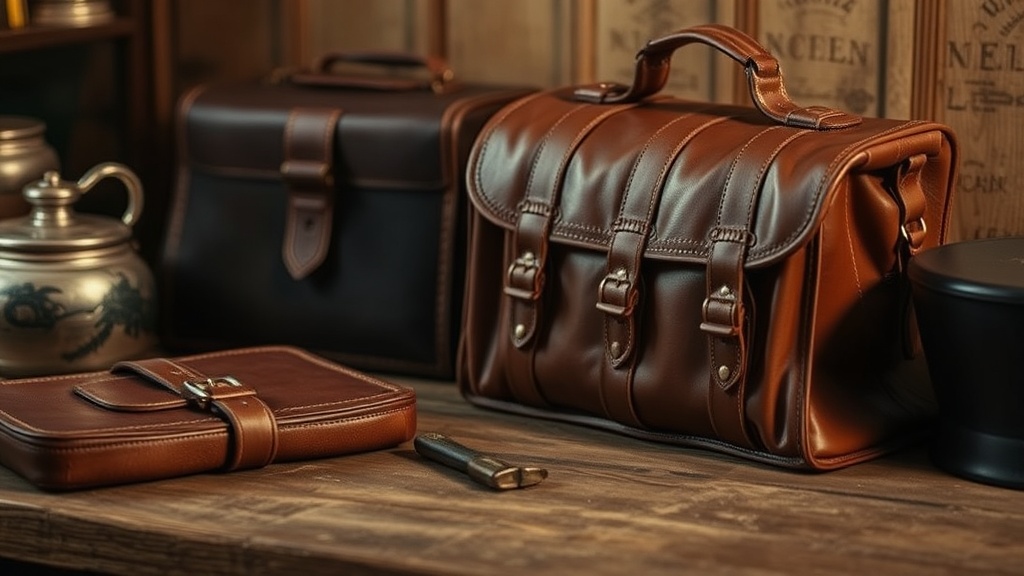
Keeping Your Vintage Leather Goods Supple and Crack-Free

The Importance of pH-Balanced Cleaners
Selecting the Right Conditioner for Your Leather Type
Proper Storage Techniques to Prevent Shape Loss
Avoiding Direct Sunlight and Heat Exposure
Using Stuffing to Maintain Structural Integrity
Why "More is Better" is Ruining Your Vintage Leather
Many collectors believe that more conditioner equals better protection, but over-applying oils actually destroys the structural integrity of high-end leather. This post covers the specific methods for maintaining vintage leather goods, from leather briefcases to designer handbags, ensuring they stay supple without becoming a greasy mess. We'll look at the chemistry of leather, the right products to use, and how to avoid the most common mistakes that lead to permanent cracking.
I've spent years working with precision instruments—anything from drafting pens to fine mechanical movements—and I've learned that the most sensitive materials require a light touch. Leather is an organic material. It reacts to its environment just like a well-tuned fountain pen feed does. If you treat it too harshly, you lose the texture that makes a vintage piece valuable.
How Do I Prevent Leather From Cracking?
Preventing leather from cracking requires a consistent regimen of light hydration and strict moisture control. Most cracks aren't caused by dryness alone, but by the loss of natural oils that keep the fibers flexible. When those oils evaporate, the leather becomes brittle. Once a crack forms, it's often permanent.
Think of it like the way a dried-out ink reservoir can cause a pen to skip. The material loses its "life." To keep a piece like a vintage Hermès bag or a high-end leather portfolio in top shape, you need to understand the difference between surface moisture and deep-tissue hydration.
Here is a breakdown of the three main stages of leather degradation:
- Surface Dryness: The leather looks dull or "ashy." This is the easiest stage to fix with a light conditioning agent.
- Structural Softness: The leather feels limp or overly oily. This usually means you've over-conditioned, and the fibers are losing their shape.
- Cracking: Small fissures appear on the surface. At this point, you aren't "fixing" the leather; you're just trying to prevent the cracks from spreading.
The catch? You can't just slap any grease on it. Using a cheap, petroleum-based product on a fine piece of calfskin is a recipe for disaster. It won't soak in; it'll just sit on top, attracting dust and grit that eventually acts like sandpaper against the grain.
What is the Best Product for Vintage Leather?
The best product for vintage leather is a high-quality, pH-balanced leather cream or a specialized leather balm that contains no silicone or petroleum. You want something that mimics the natural oils found in the hide. Brands like Saphir are often the gold standard for collectors because they focus on the chemistry of the leather rather than just masking it with shine.
I tend to prefer a minimalist approach. If I'm working on a piece of leather that requires a delicate touch—much like restoring the soul of vintage fountain pens—I look for products that respect the original material. You want to enhance the patina, not hide it under a layer of plastic-looking gloss.
| Product Type | Best For... | Risk Level |
|---|---|---|
| Leather Cream | General maintenance and hydration | Low |
| Leather Oil (Neatsfoot) | Heavy-duty work boots or rugged gear | High (can darken leather significantly) |
| Wax/Polish | Adding a protective shine to finished surfaces | Medium (can build up in creases) |
| Conditioner Balm | Luxury handbags and fine accessories | Very Low |
Don't use neatsfoot oil on a delicate designer clutch. It’s too heavy. It will soak deep into the fibers and potentially darken the color of the leather permanently. It's a one-way street. If you make that mistake, there's no going back.
How Often Should I Condition Leather?
You should condition vintage leather every six to twelve months, depending on how much it is used and the humidity of your environment. A piece that sits in a climate-controlled display case needs much less attention than a daily-use briefcase. Over-conditioning is just as dangerous as under-conditioning.
If the leather feels stiff, it's time. If it feels supple and moves easily, leave it alone. I always tell people to trust their sense of touch. If you're unsure, a very small test patch on an inconspicuous area (like the bottom or the inside of a strap) is a smart move. It's the same precision I use when checking the tension in a pen's piston mechanism.
One thing to watch out for is the environment. If you live in a very dry climate, you might need to condition more frequently. However, if you're storing your collection in a basement, be careful. High humidity can lead to mold, which is a whole different nightmare. It's a delicate balance between keeping the leather hydrated and keeping it dry.
Here's a quick checklist for your maintenance routine:
- Clean first: Use a damp (not wet!) cloth to remove surface dust.
- Test: Apply a tiny amount of conditioner to a hidden spot.
- Apply: Use a lint-free cloth or a soft brush to apply a thin layer.
- Absorb: Let it sit for 15-20 minutes, then buff away the excess.
- Repeat: Only if the leather still feels dry after the initial buffing.
Wait, what about the smell? If you're working with leather, you'll notice a distinct scent. A high-quality conditioner should smell like leather, not chemicals. If your "leather cream" smells like a gas station, put it back on the shelf. That's a sign of cheap fillers that will eventually degrade the hide's proteins.
I often think about the tactile nature of these items. A well-maintained leather bag has a certain weight and a certain "give" to it. It feels alive. When you neglect the maintenance, it feels like a dead object—stiff, unresponsive, and eventually, broken. It’s the same feeling I get when a pen's feed is starved of ink. It's a loss of communication between the object and the user.
If you find yourself looking at a piece that has already developed deep cracks, a conditioner might help slightly, but it won't "heal" the leather. At that point, you're looking at professional restoration. Much like protecting vintage watch movements, once the internal structure is compromised, you're in damage control mode.
Keep your tools clean. Keep your hands dry. And most importantly, listen to what the material is telling you. If it feels tight, it needs a little more love. If it feels greasy, you've gone too far.