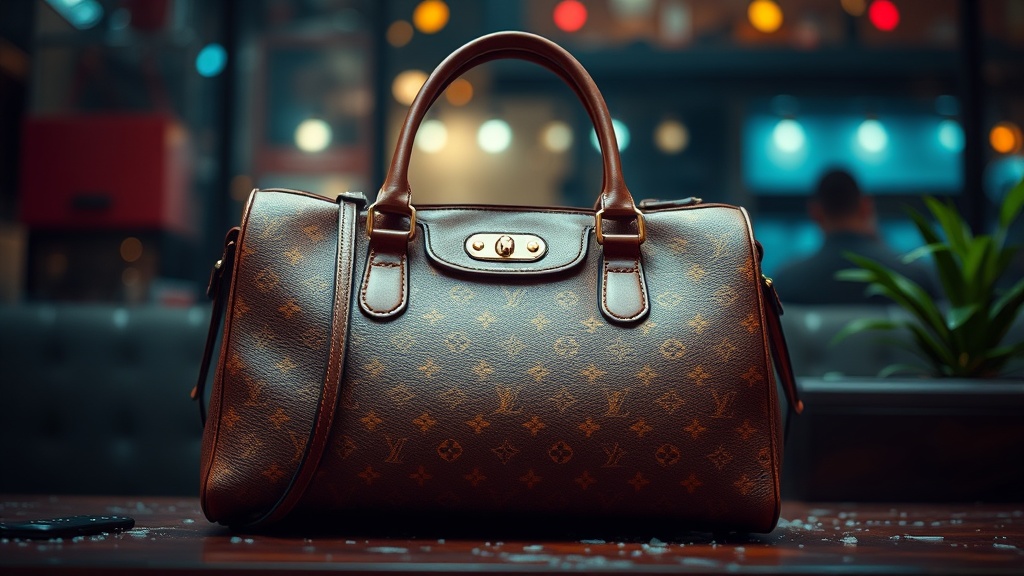
Protecting Vintage Designer Handbags from Humidity and Mold

The Hidden Threat to Your Collection: Humidity and Mold
Many collectors believe that storing a vintage Hermès Kelly or a Chanel Flap bag in a sealed plastic bin is the best way to protect it from the elements. This is a dangerous misconception. While airtight containers prevent dust accumulation, they actually create a microclimate that traps moisture. If even a trace amount of humidity is present when you seal the container, you are essentially creating a greenhouse for mold and mildew. To preserve the structural integrity of high-end leather and the delicate linings of designer handbags, you must manage air circulation and moisture levels with precision, rather than attempting to eliminate air altogether.
This guide outlines the technical requirements for maintaining a stable environment for your fashion collectibles. We will cover the science of humidity, the specific vulnerabilities of different leather types, and the mechanical steps required to prevent mold outbreaks before they damage your investment.
Understanding Relative Humidity and Material Degradation
In the world of high-end collectibles, stability is more important than the absolute value of a single metric. For vintage designer handbags, the ideal relative humidity (RH) sits between 40% and 50%. If the RH climbs above 60%, you enter the danger zone where mold spores can germinate on organic materials like leather, silk, and even certain types of canvas. Conversely, if the humidity drops below 30%, the natural oils in the leather can evaporate, leading to cracking and permanent structural deformation.
Leather is a hygroscopic material, meaning it naturally absorbs and releases moisture from the air to reach an equilibrium. A vintage Louis Vuitton Monogram canvas bag, for instance, is highly sensitive to these fluctuations. Rapid changes in humidity cause the fibers to expand and contract, which can lead to the cracking of the leather trim or the warping of the bag's shape. To monitor this, you should invest in a digital hygrometer—a tool used widely in precision instrument storage—to keep in your storage area.
The Dangers of Airtight Storage and Plastic Wrappers
A common mistake is leaving a handbag in its original plastic shipping wrap or a non-breathable polyethylene bag. While this might seem protective, it is a recipe for disaster. Plastic does not breathe, and as temperatures fluctuate, any moisture trapped inside will condense on the surface of the bag. This condensation provides the perfect medium for mold to feed on the tannins and proteins in the leather.
Instead of plastic, use breathable fabric dust bags. A high-quality cotton or flannel dust bag allows for minimal air exchange while protecting the piece from dust and light. If you are storing a bag for an extended period, ensure the bag is completely dry and that the interior is free of any debris. If you have been reading about cleaning and restoring vintage leather goods, you already know that any residual moisture from a cleaning process must be entirely evaporated before the item is put into long-term storage.
Managing Internal Structure and Shape Retention
A handbag's shape is part of its value. When humidity is high, leather becomes more pliable and prone to sagging. To combat this, you must use acid-free stuffing. Never use old newspapers or standard bubble wrap to stuff a vintage bag; the ink from newspapers can transfer to the lining, and the chemicals in certain plastics can react with the leather over time.
<_p>Use acid-free tissue paper or specialized silk inserts to maintain the bag's silhouette. When stuffing a bag, do not overstuff it. The goal is to provide a structural skeleton, not to stretch the leather. Over-stuffing can cause permanent creases in the leather or even stretch the stitching, particularly on vintage pieces where the thread strength may have diminished over decades.Implementing Active Moisture Control
To maintain the 40% to 50% RH threshold, you need active countermeasures. There are two primary methods: desiccant packs and dehumidifiers.
- Silica Gel Packets: These are highly effective for small-scale storage, such as a glass display case or a dedicated handbag cabinet. However, you must be diligent. Once a silica packet has absorbed its maximum capacity of moisture, it stops working. Look for "indicating" silica gel that changes color when saturated. If you are using these in a closed cabinet, you must replace or "recharge" them regularly.
- Electric Dehumidifiers: If you store your collection in a dedicated room or a large walk-in closet, a standalone dehumidifier is the superior choice. This provides a consistent level of ambient control that small packets cannot match. Set the device to a constant level and ensure it has a continuous drainage option so you aren't constantly emptying the water tank.
Be cautious with silica gel when storing leather. If the air becomes too dry due to an overabundance of desiccant, the leather will lose its essential moisture. Always use a hygrometer to verify that your moisture-control methods are not overcorrecting.
Identifying and Treating Early Signs of Mold
If you notice a white, powdery substance on the surface of a bag or a musty odor coming from the interior, you have a mold problem. Speed of intervention is critical. Mold is not just a surface issue; it can penetrate the pores of the leather and the fibers of the lining, causing permanent staining and structural decay.
- Isolation: Immediately remove the affected bag from your collection. Do not store it near other pieces, as mold spores are easily airborne and can quickly spread to your entire inventory.
- Surface Removal: Use a soft, dry micro-fiber cloth to gently wipe away the visible mold. Do not use water or liquid cleaners at this stage, as moisture will only encourage the mold to grow.
- Professional Consultation: For high-value items like a vintage Chanel or Hermès, I strongly recommend professional intervention. Attempting to "scrub" mold off a delicate calfskin can strip the finish and leave permanent marks. A professional conservator has the tools to treat the leather safely.
Once the mold is addressed, you must identify the source. Was the bag stored in a basement? Was the closet too close to an external wall? If the environment is not corrected, the mold will return.
The Role of Light and Temperature in Preservation
While humidity is the primary driver of mold, light and temperature are the secondary architects of degradation. High temperatures accelerate the chemical breakdown of leather dyes and can cause the oils within the leather to migrate or evaporate. Similarly, UV light—even indirect sunlight—can cause significant fading and "sun bleaching" of both the exterior leather and the interior linings.
Store your collection in a cool, dark space. A dedicated, climate-controlled room is ideal. If you use display cases, ensure they are UV-protected glass. Much like the care required for setting up a museum-grade display for vintage timepieces, your handbag display should prioritize the exclusion of light and the stabilization of the environment. A dark closet is often better than a bright, beautiful display case that sits in a room with large windows.
Summary Checklist for Long-Term Storage
To ensure your vintage designer collection remains in gallery-ready condition, adhere to these technical standards:
- Maintain RH: Keep relative humidity between 40% and 50% using a digital hygrometer.
- Use Breathable Covers: Always use cotton or flannel dust bags; never use plastic.
- Shape Retention: Use acid-free tissue paper to support the structure without overstretching.
- Monitor Airflow: Avoid airtight containers; ensure there is sufficient air exchange.
- Control Light: Store in a cool, dark environment away from direct sunlight.
- Active Desiccants: Use indicating silica gel for small enclosures and replace when saturated.